Why Children Experience Sharp Sensitivity Too
Parents generally link 'zhankhaar' or sensitive cold twinges with middle-aged gum recession, so seeing an eight-year-old suddenly drop a chilled water tumbler or skip ice cream surprises many families in Anantapur.
In childhood, tooth sensitivity works as a helpful early alarm system signaling thinner enamel protection, hidden early cavities, newly erupted porous molars, or worn surfaces. Unlike dull long-lasting aches, typical enamel sensitivity flares sharply for two to five seconds upon cold water, sweet laddu, or sour raw mango—then vanishes completely once swallowed.
Treating that short flash as an invitation for an easy checkup keeps minor triggers from becoming deep toothaches.
Five Common Causes of Tooth Sensitivity in Children
Understanding what lies beneath your child's discomfort clarifies why clinical inspection is essential:
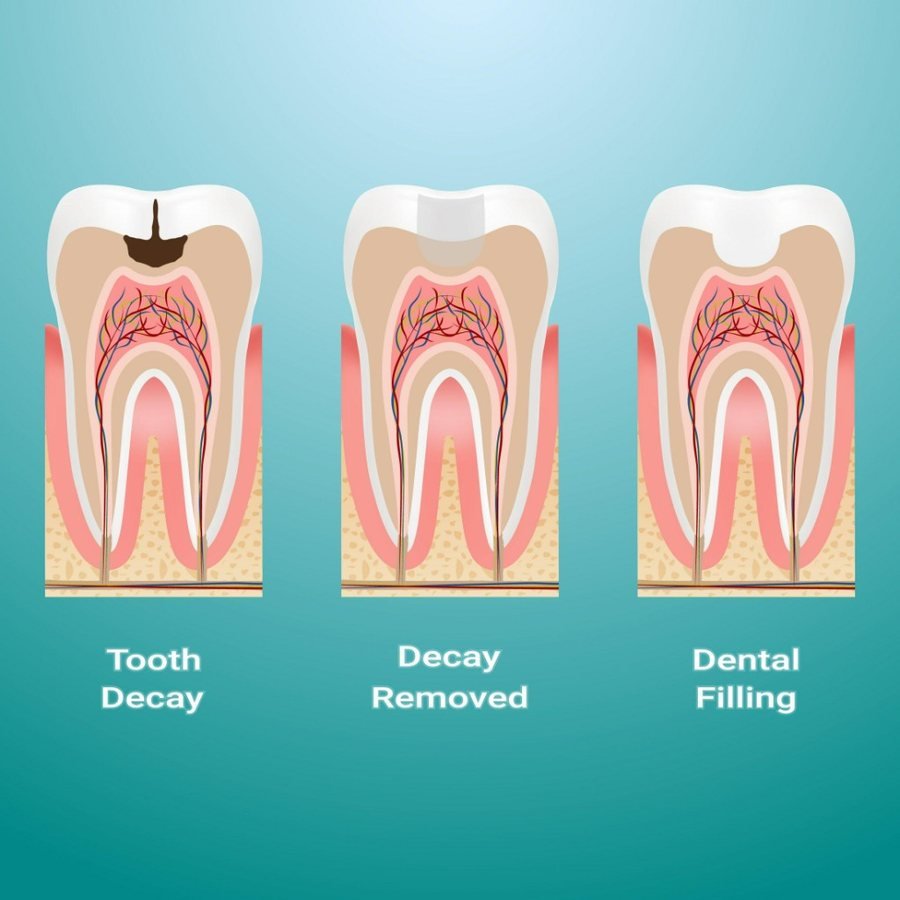
- 1. Unseen Early Enamel Cavities: Sweet sensitivity ('pain immediately after chocolates or halwa') strongly hints that early demineralization has etched tiny pathways into dentin right inside molar pits or between tight teeth.
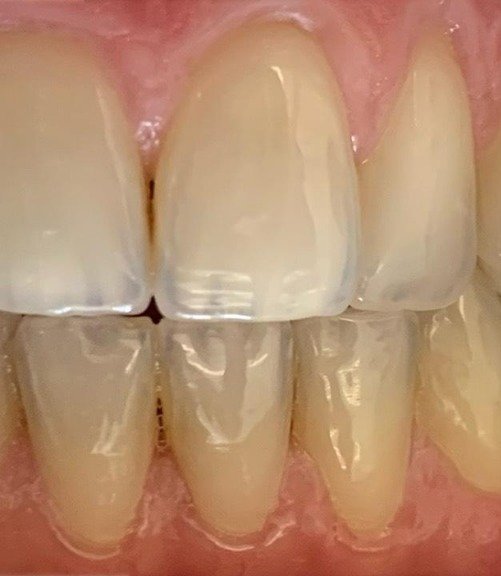
- 2. Molar-Incisor Hypomineralisation ('Chalky Molars' / MIH): Increasingly recognized globally, MIH happens when newly erupting permanent 6-year molars arrive around age six with creamy-white or yellow-brown patchy softer enamel that stings violently with cold drinks or toothbrush touch right from day one!
- 3. Over-Vigorous Brushing With Stiff Bristles: Enthusiastic preteens scrubbing side-to-side aggressively with medium/hard toothbrushes gradually scrub thin gum-margin enamel away.
- 4. Frequent Citrus Drinks, Pickles, and Sodas: Habitual sipping of fizzy colas, sour lemonades, packaged energy juices, or sucking salty-tart tamarind candies softens surface mineral armor quickly.
- 5. Cracked Micro-Fillings, Bruxism, or Loose Baby Teeth: Heavy nighttime grinding (bruxism) wears milk cusp tips flat toward sensitive dentin, while partly detached baby teeth pinch gum cuffs slightly during ice-cream bites.
Closer Look at 'Chalky 6-Year Molars' (MIH)
Parents frequently blame themselves when a child's newly emerged permanent back molar already looks yellow-chalky and hurts while brushing—even when baby teeth stayed spotless! Developmental MIH stems from systemic disturbances during infancy while adult enamel formed quietly inside gums, meaning the tooth erupted vulnerable and benefits enormously from prompt protective sealing or remineralizing guidance.
Cold Sensitivity vs Active Pulp Pain: Clues Parents Can Notice
Paying attention to duration helps separate simple enamel hypersensitivity from progressing cavities: transient sensitivity spikes only when cold or sweet liquids hit the crown directly and fades peacefully inside seconds once warmth returns. Conversely, deep cavitated dentin or pulp irritation lingers aching minutes afterward, bothers chewing firm rotis, or wakes kids unprovoked at night.
Because only a dentist inspecting closely with clean air-water visibility confirms intact versus perforated enamel safely, prompt visual checks beat home guessing games every time.
Safe Daily Comfort Adjustments Before Your Clinic Checkup
While arranging a calm visual check, gentle habits minimize twinges immediately:
- Switch immediately to an ultra-soft bristle toothbrush with slow, circular gentle pressure.
- Offer lukewarm or room-temperature drinking water instead of ice-cold refrigerated water temporarily.
- Pair tangy citrus fruits or raw tamarind strictly alongside full balanced meals—followed immediately by plain water rather than grazing alone.
- Wait gently 30 minutes before brushing after acidic juices or sour snacks so softened surface minerals recover first.
Summer Thirst Tips Without Triggering Sensitive Enamel Pain
During bright warm Anantapur months, chilled juices, lemon sodas, packaged mango cartons, and iced treats tempt active school kids constantly between classes. Because cold combined with concentrated fruit acid intensifies stinging on thin baby enamel or porous MIH permanent molars, switching home refreshers makes immediate comfort sense.
Serve cool (not ice-frozen) plain drinking water, chilled plain salted buttermilk, or whole crisp watermelon cubes alongside balanced snacks cleanly at home—pairing sour citrus strictly with meals followed immediately by a plain water swish rather than prolonged sipping through straws all afternoon.
Wait 30 Minutes to Brush After Tangy Foods
Citrus acids soften microscopic surface minerals briefly; allowing 30 minutes for saliva to neutralize pH before brushing keeps bristles from scrubbing weakened enamel gently away.
Diagnosing Child Sensitivity Honestly in Anantapur
Because hiding an untreated early cavity underneath adult anti-sensitivity toothpaste merely delays pain while decay digs deeper, professional inspection comes first. At MANASVI DENTO CARE near Court Road, opposite Union Bank, Anantapur, Dr. K. Lakshmi, BDS inspects vulnerable pits gently, checks whether weak MIH enamel or tight interproximal decay sits behind twinges, and explains suitable next steps—from conservative tooth-colored fillings to remineralizing or protective sealing options (subject to clinic confirmation).
Explore how early enamel protection works or visit our Child Dental Care hub.
In kids, sharp sensitivity to sweets or cold often marks an actual early cavity or chalky weakened 6-year molar (MIH)—not harmless exposed adult necks—and requires diagnosis before choosing pastes.
Frequently Asked Questions
Not without checking with a dentist first. Some adult formulas contain higher abrasive/active levels unsuited for young swallow-prone kids, and sensitivity pastes do not cure active decay cavities.
Sweet fluids pull fluid gently inside microscopic dentin pores exposed under weakened enamel or early cavities—an early cue worth checking promptly.
Mild cold sensitivity for several days to a week following a deeper tooth restoration often settles calmly as the tooth adapts; worsening or lingering throbbing pain should be checked cleanly.
Normal healthy permanent molars shine glossy cream-white; hypomineralized MIH spots show distinct opaque white, yellow, or brown patches that feel rough or sting intensely during brushing.
Yes! Repeated grinding flattens enamel crests on milk molars smoothly until underlying pale-yellow dentin gleams near the surface, creating sudden cold sensitivity.
- European Academy of Paediatric Dentistry (EAPD) — Molar-Incisor Hypomineralisation (MIH) Clinical Guidance
- ADA MouthHealthy — Sensitive Teeth Causes & Care
Compassionate Dentistry Near Court Road, Anantapur
MANASVI DENTO CARE is located at Court Road, opposite Union Bank, Anantapur, Andhra Pradesh, and is led by Dr. K. Lakshmi, BDS (Cosmetic Dental Surgeon, Registration No. A2407). We focus on clear explanations, gentle local comfort protocols, and preventive long-term oral health for individuals and families.