Why Children Rarely Complain Until Decay Runs Deep
Parents in Anantapur often feel shocked during a routine examination: 'Doctor, our son eats everything cleanly without saying a single word about pain—how could there already be two cavities?'
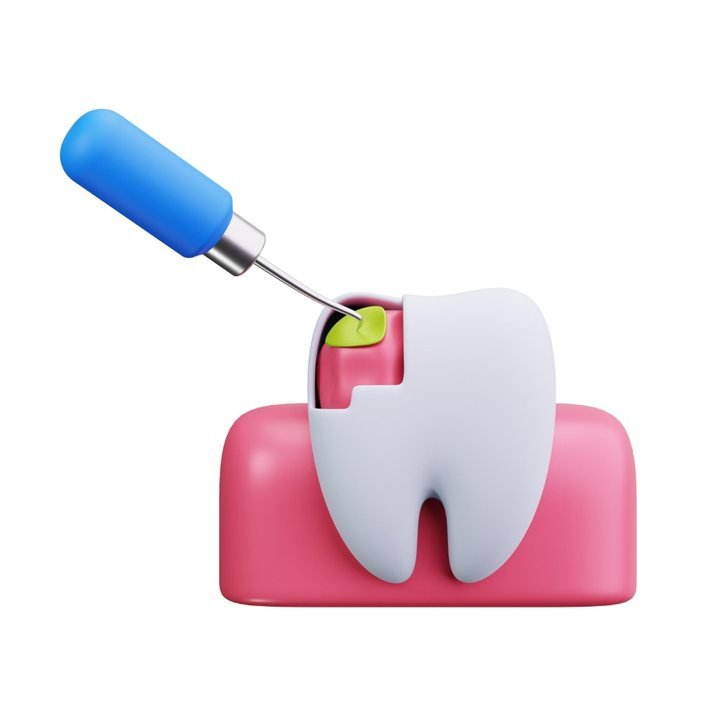
The biological answer lies in enamel anatomy. Outer tooth enamel contains zero pain nerves. Bacteria quietly ferment snack sugars inside deep molar crevices and soften enamel silently for months before microscopic irritation ever whispers to inner dentin tubes. Moreover, young children naturally adapt without explaining discomfort cleanly—quietly shifting chewed chapati to the opposite jaw instead of telling adults.
Learning to look for silent structural and behavioral clues gives families a huge preventive head start.
Five Quiet Signs of Milk Teeth Cavities Parents Frequently Overlook
Watch gently during Sunday evening brushing checks under good bathroom lighting:
- 1. Chalky Matte White Stripes Near Gums: Smooth shiny white is healthy; dull powdery white right above the pink gum arc signals active acid mineral loss.
- 2. Grayish Shadows Between Two Tight Molars: Interproximal cavities hiding side-by-side between two touching baby molars often show first as faint gray-blue triangles glowing through intact chewing surfaces.
- 3. Food Repeatedly Wedging in the Same Corner: Noticeable pockets where cooked rice, chicken shreds, or snacks pack chronically between teeth during every single meal.
- 4. Subtle One-Sided Chewing Habits: Children abruptly tilting heads awkwardly or pushing crunchy carrots exclusively onto one cheek while refusing cool curd or sweet popsicles.
- 5. Rough Edges Catching Soft Bristles: Tiny darkened pits inside deep back molar grooves that feel soft or sticky—not just flat dark ink-like tea/spice stains.
Stained Grooves vs Active Decay: Why Clinical Touch Tells Truth
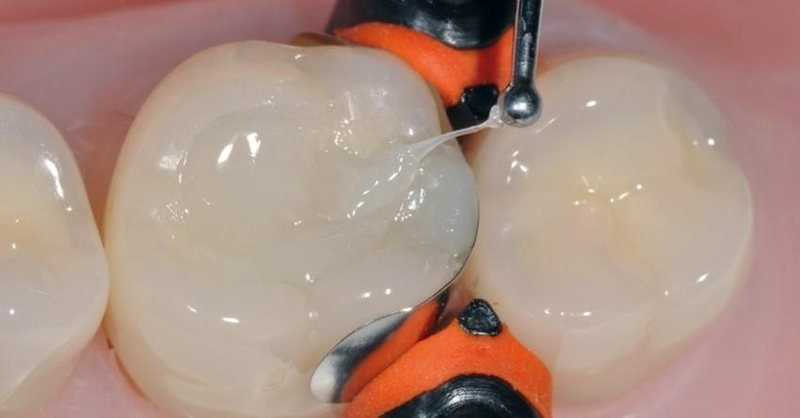
Turmeric curries, iron tonics, and harmless chromogenic oral bacteria sometimes tint deep back molar pits dark brown even when hard healthy enamel sits solidly underneath. Only a gentle visual-and-tactile check differentiates harmless surface pigment cleanly from soft active decay.
How to Do a Quick 30-Second Mouth Check at Home
Once every two weeks after nighttime brushing finishes, run a quick flashlight glance comfortably across five spots: lift the upper lip to inspect gumlines along top incisors, look down onto lower back molar valleys, glance upward using a phone flashlight onto upper molar tops, notice whether floss shreds between any two back molars, and watch if gums show localized redness. Spotting slight dullness early empowers simple adjustments long before emergency tears happen.
Why One Untreated Baby Molar Endangers Neighbors
Teeth do not live in isolated bubbles. When one baby molar develops a rough food-trapping hole, acid-producing plaque collects continuously right beside the adjacent healthy primary tooth—and even right up against an emerging permanent first molar behind it around age six!
Protecting the single affected tooth promptly prevents domino decay across neighboring teeth and safeguards developing adult crowns resting quietly directly inside jawbones below.
Protective Steps to Discuss During a Kids Dental Checkup
Once early surface spots or deep molar grooves are identified calmly in clinic, families have practical protective choices tailored after examination:
- Targeted Brushing & Floss Coaching: Aiming toothbrush bristles along subtle back gumlines and flossing tight molar walls once daily.
- Dietary Acid Spacing: Consolidating biscuits, chocolates, and dried fruits into mealtime finishes paired cleanly with water rinses.
- Preventive Options Subject to Clinic Confirmation: Discussing whether topical enamel-strengthening fluoride applications or smooth protective groove sealants suit high-risk baby or newly erupted 6-year molars cleanly. Read more on how dental sealants shield deep grooves.
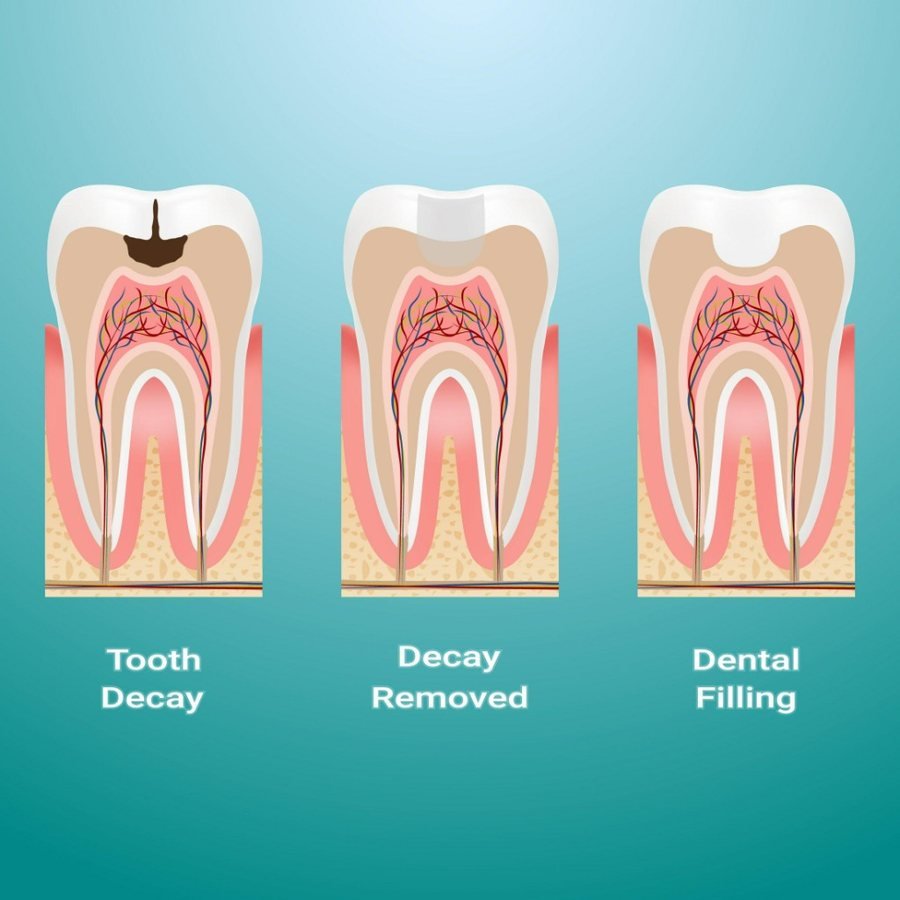
- Gentle Restorations: Sealing localized cavities cleanly using tooth-colored child fillings when decay crosses into dentin.
How Daily Mineral Balance Either Repairs or Erodes Baby Enamel
Think of outer tooth enamel every single day as a quiet tug-of-war between demineralization (acid washes out calcium and phosphate ions after biscuits, sweets, and unbrushed milk feeds) and remineralization (healthy mineral-rich saliva combined with trace fluoride restores crystal surface strength between meals).
When frequent grazing tilts that tug-of-war steadily toward acid for weeks on end, invisible microscopic porosity becomes a noticeable dull chalky white mark—followed eventually by collapsed cavitated enamel. Shifting snack spacing, rinsing water quickly, and letting parent-finished fluoride brushing run nightly tips the balance decisively back toward natural protection.
Acting Right Away on Subtle Signs
Scheduling an examination as soon as you spot any opaque gumline streak keeps conservative care simple and comfortable.
Routine Cavity Screening at MANASVI DENTO CARE, Anantapur
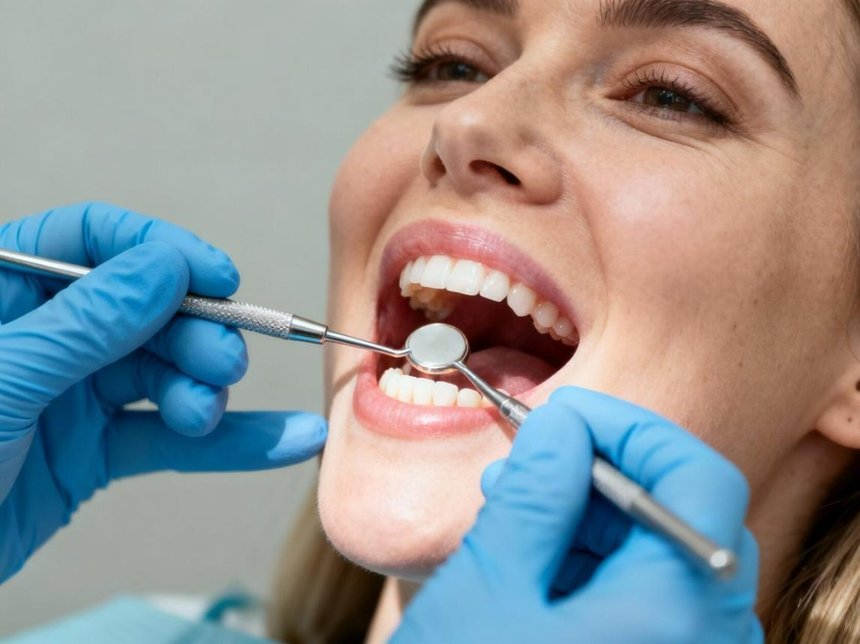
A ten-minute visual screening every six months catches subtle shadows long before toothaches ever disrupt school days or family sleep. At MANASVI DENTO CARE near Court Road, opposite Union Bank, Anantapur, Dr. K. Lakshmi, BDS guides parents calmly through what needs watching versus gentle repair.
Explore our Children's Preventive Dental Care guide or schedule an unhurried visit through our help desk.
Primary teeth carry thinner enamel shells and proportionally larger inner pulp nerves than adult teeth—meaning quiet surface spots reach painful depth significantly sooner.
Frequently Asked Questions
Very early chalky-white demineralization limited strictly to intact outer enamel can sometimes pause or harden again with consistent fluoride toothpaste brushing, improved plaque removal, and reduced snacking frequency—confirmed during a clinic check.
Natural molar chewing grooves can be narrower than a single nylon toothbrush bristle, and tight side walls touching neighboring baby teeth trap food invisibly without occasional flossing.
No! Many moderate cavities remain completely painless until bacteria reach deep dentin or the inner nerve—making routine periodic checkups vital even without complaints.
Yes! Newly erupting six-year permanent molars sit furthest back, take months to reach full height, and face particularly high early decay risk unless brushed carefully and inspected promptly.
Trapped food rotting inside unnoticed interproximal cavities between back primary molars—alongside dry mouth or nasal allergies—frequently causes persistent morning breath.
- ADA MouthHealthy — Baby Bottle & Early Childhood Tooth Decay
- WHO — Oral Health Surveys & Childhood Caries Progression Basics
Compassionate Dentistry Near Court Road, Anantapur
MANASVI DENTO CARE is located at Court Road, opposite Union Bank, Anantapur, Andhra Pradesh, and is led by Dr. K. Lakshmi, BDS (Cosmetic Dental Surgeon, Registration No. A2407). We focus on clear explanations, gentle local comfort protocols, and preventive long-term oral health for individuals and families.