Why Back Molars Catch Cavities Even When Kids Brush Well
Parents frequently feel puzzled when a child brushes diligently every morning and night yet still develops a dark pit on a back tooth. Look closely at biting surfaces of molars and premolars: nature built them with microscopic canyons called pits and fissures to crush food.
Unfortunately, many of those fissures are narrower than a single toothbrush bristle. Microscopic food particles and acid-producing bacteria lodge safely down inside where brushing cannot sweep them away. Learning about dental sealants in Anantapur helps families protect vulnerable chewing surfaces proactively.
What Are Pit-and-Fissure Dental Sealants?
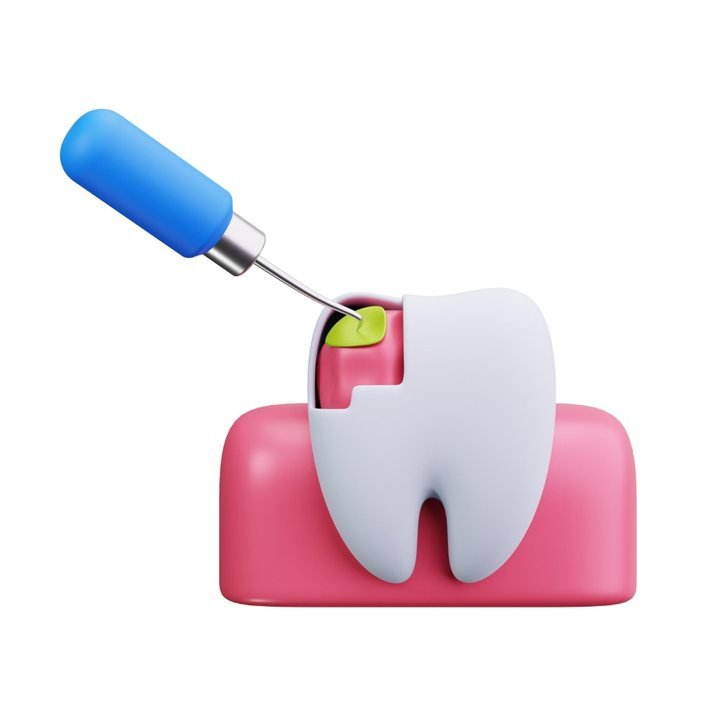
A dental sealant is a thin, smooth resin coating painted carefully onto the chewing valleys of decay-free back teeth and cured quickly with a harmless blue light. Rather than waiting for decay to hollow out tooth structure and require a filling, a sealant transforms bumpy, plaque-trapping grooves into a sleek, easy-to-clean shield.
Both CDC and ADA clinical reviews highlight that sealants dramatically cut molar decay in school-aged children when placed promptly after eruption and checked periodically.
Ideal Timing for Children, Teens, and Eligible Adults
Timing is straightforward once teeth emerge clear of gum tissue:
- Around Age 6–7: Shortly after the first permanent 'six-year molars' erupt fully behind baby teeth.
- Around Age 11–14: As second permanent 'twelve-year molars' and deep premolars settle into place.
- Selected Baby Molars: Occasionally suggested for young children with very deep grooves and high cavity tendency so baby molars hold spacing properly.
- Decay-Free Adults: Adults with narrow, stain-catching fissures and zero prior fillings on a molar may also benefit.
Zero Shots, Zero Drilling: What Sealant Placement Involves
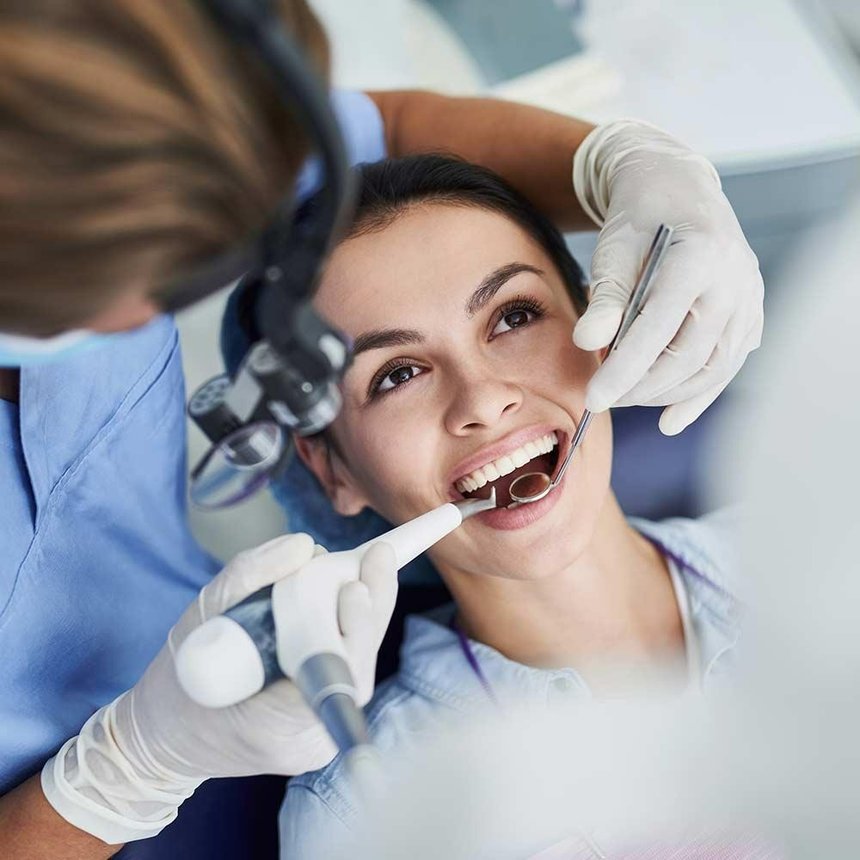
Because sealants prevent cavities rather than repairing deep decay, no tooth structure is drilled away and no numbing injection is needed—making it one of the calmest introductory dental procedures for nervous kids:
- 1. Thorough Cleaning: Plaque and debris are polished out of molar grooves cleanly.
- 2. Drying & Mild Conditioning Gel: Keeps the enamel surface spotless and dry for secure microscopic bonding.
- 3. Painting & Light-Curing: Liquid sealant flows into pits and sets rock-solid within seconds under a curing light.
- 4. Bite Check: Ensuring chewing feels completely smooth and natural right away.
Checking Sealant Wear During Six-Month Visits
Sealants routinely protect molars for several years under normal chewing, though chewing ice or hard candies can chip thin edges over time. During every six-month checkup at MANASVI DENTO CARE near Court Road, Anantapur, Dr. K. Lakshmi inspects sealant integrity alongside brushing habits—touching up tiny worn areas long before decay starts.
First permanent molars emerge quietly behind baby teeth around age six without replacing any falling tooth. Early preventive checks at MANASVI DENTO CARE in Anantapur spot deep grooves early.
Frequently Asked Questions
Yes. Both ADA and NIDCR guidelines strongly support fissure sealants on cavity-free permanent molars in children and adolescents to block decay in deep chewing grooves.
No. Deep cavities require proper cleaning and a restorative tooth-colored dental filling rather than being covered over. Sealants belong on healthy or very early surface-monitored grooves.
Yes. Sealants guard the biting top grooves only—brushing with fluoride toothpaste and flossing daily remain essential to protect smooth sides and areas between teeth.
Yes, provided the target molar has deep grooves and remains free of existing fillings or internal decay.
- Centers for Disease Control and Prevention (CDC) / ADA — Dental Sealants
- National Institute of Dental and Craniofacial Research (NIDCR) — Sealants Overview
Compassionate Dentistry Near Court Road, Anantapur
MANASVI DENTO CARE is located at Court Road, opposite Union Bank, Anantapur, Andhra Pradesh, and is led by Dr. K. Lakshmi, BDS (Cosmetic Dental Surgeon, Registration No. A2407). We focus on clear explanations, gentle local comfort protocols, and preventive long-term oral health for individuals and families.