Enamel Erosion vs. Tooth Decay: What Is the Difference?
Tooth enamel is the hardest mineral tissue in the human body, yet it contains no living cells—meaning once lost, it cannot regenerate organically. Many patients assume enamel damage only comes from sugar cavities, yet acid erosion works differently: acids dissolve calcium and phosphate minerals directly across broad tooth surfaces even without bacteria or sugar.
Understanding tooth enamel protection empowers people to spot thin, yellowing, or sensitive enamel early before deeper fillings or protective coverage become necessary.
How to Tell If Your Enamel Is Thinning
Look closely for subtle visual and sensory shifts during brushing:
- Rounded, slightly cupped dimples on molar biting peaks instead of crisp grooves.
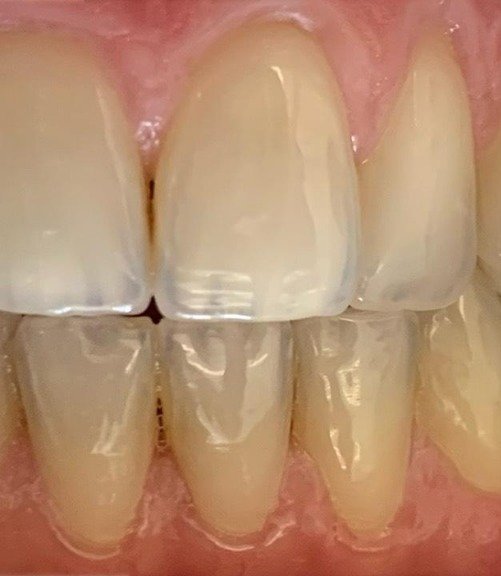
- Front tooth biting edges looking thin, bluish-grey, or slightly translucent.
- Teeth appearing gradually more yellow because thinning translucent enamel lets darker inner dentin show through.
- Twinges of sensitivity when drinking cold water or breathing crisp air.
Evidence-Based Habits for Tooth Enamel Protection
You do not have to eliminate healthy fruits to keep teeth strong—changing frequency and brushing timing makes the biggest difference:
- Keep acidic fruits, citrus juices, or tangy foods bundled with main meals rather than sipping them intermittently between meals.
- Swish thoroughly with plain water right after acidic foods or reflux episodes to restore neutral pH promptly.
- Wait at least 30 to 60 minutes before brushing after acid exposure so saliva can re-harden softened mineral layers first.
- Use a soft-bristled toothbrush with gentle circular strokes and age-appropriate fluoride toothpaste to reinforce mineral resilience.
- Chew sugar-free xylitol gum briefly after meals (if jaw joints feel comfortable) to stimulate natural mineral-rich saliva.
Working With Your Dentist and Physician in Anantapur
Because acid reflux, dry mouth medications, and grinding habits frequently overlap, a comprehensive checkup looks beyond isolated fillings. At MANASVI DENTO CARE on Court Road, Anantapur, Dr. K. Lakshmi checks enamel wear patterns, advises targeted fluoride or desensitizing support, and encourages medical follow-up whenever reflux symptoms are suspected.
Acid temporarily softens outer tooth crystals. Brushing aggressively right after citrus drinks or reflux speeds mineral loss—rinse with plain water first and wait 30–60 minutes.
Frequently Asked Questions
Rinsing with plain water after acidic drinks, eating tangy foods with main meals instead of constant sipping, drinking plenty of water for saliva flow, and brushing gently with fluoride toothpaste all support natural enamel defense.
Fully dissolved enamel structure cannot regenerate. However, early softened enamel can be strengthened (remineralized) using fluoride and calcium-rich saliva before structural pitting develops.
Over-vigorous scrubbing with abrasive whitening pastes or acid erosion can thin white outer enamel, allowing deeper yellow dentin beneath to become more visible.
Using a straw positioned past front teeth reduces direct liquid contact slightly, though rinsing with plain water afterward and keeping intake brief remains even more effective.
- American Dental Association (ADA) — Dental Erosion & Acidic Foods
- NHS Dental Health — Tooth Decay & Acid Erosion Prevention
Compassionate Dentistry Near Court Road, Anantapur
MANASVI DENTO CARE is located at Court Road, opposite Union Bank, Anantapur, Andhra Pradesh, and is led by Dr. K. Lakshmi, BDS (Cosmetic Dental Surgeon, Registration No. A2407). We focus on clear explanations, gentle local comfort protocols, and preventive long-term oral health for individuals and families.