Surface (Extrinsic) vs. Deep Inner (Intrinsic) Tooth Color
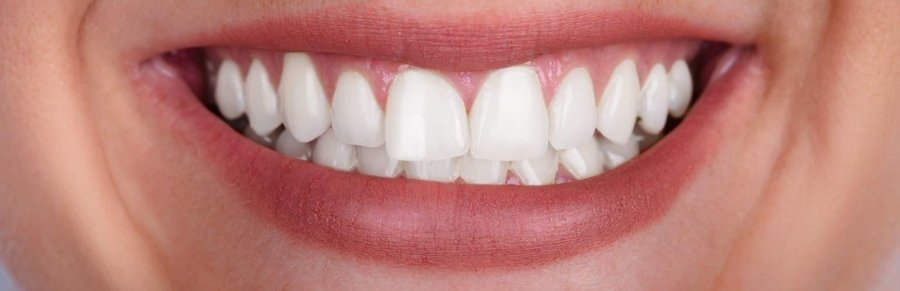
Tea, filter coffee, dark spices, and tobacco leave extrinsic stains clinging to outer plaque and microscopic enamel pores—spots that frequently polish away nicely during scaling or lighten with whitening. Yet many patients notice discoloration that resists scrubbing completely.
Intrinsic discoloration forms inside the inner tooth layer (dentin) or occurs during early childhood tooth development. Understanding non-food tooth discoloration treatment begins by identifying why shade changed so clinicians avoid harsh, ineffective abrasives.
Seven Non-Dietary Causes of Tooth Colour Changes
Spot these common internal and structural reasons teeth turn yellow, chalky, brown, or grey:
- 1. Natural Ageing & Enamel Thinning: Outer translucent enamel wears slightly thinner over decades while inner yellowish dentin thickens naturally—giving mature teeth a warmer ivory shade.
- 2. Past Tooth Knock or Sports Trauma (Single Dark Tooth): Even an impact years ago that caused no chip can interrupt blood flow inside the pulp chamber, turning one front tooth noticeably grey or brownish.
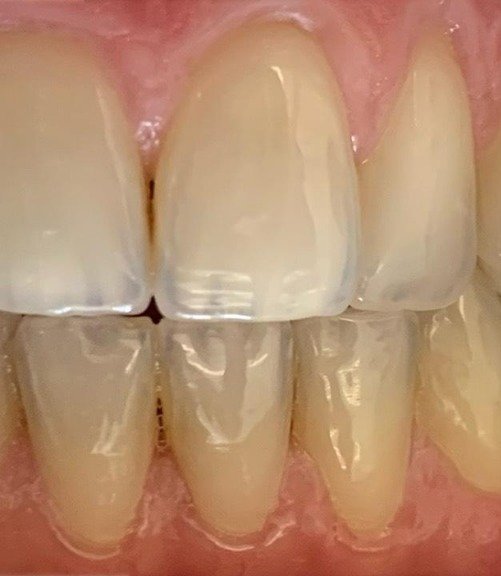
- 3. Early Childhood Fluoride Over-Exposure (Dental Fluorosis): Absorbing excess fluoride from high-mineral groundwater while permanent teeth were forming under gums leaves faint lacy white streaks or speckled brown marks.
- 4. Certain Early-Life Medications: Classic antibiotics such as tetracycline taken during tooth formation years or in late pregnancy can bind deep blue-grey or brown horizontal bands into dentin.
- 5. Childhood High Fevers or Illness (Enamel Hypoplasia): Severe systemic fevers or infections around baby roots can interrupt enamel mineralization, leaving localized chalky opaque spots.
- 6. Ageing Amalgam Metal Fillings & Nerve Shrinkage: Dark metallic fillings can cast bluish shadows through thin neighbouring tooth walls over time.
- 7. Dry Mouth & Plaque Tartar Buildup: Low saliva allows yellow-brown mineralized calculus to cement tightly near lower front gumlines.
Why One Whitening Approach Does Not Suit Every Stain
Scrubbing intrinsic discoloration hard with charcoal powders or baking soda only scrapes away thin outer enamel—making underlying yellow dentin look even darker and triggering sharp cold sensitivity!
Similarly, bleaching gel lightens natural enamel uniformly, meaning existing white composite fillings or porcelain crowns keep their original colour unless conservatively refreshed afterward. A diagnostic consultation separates surface polishing needs from deeper internal root or restorative choices.
Matching Care Cleanly to the Root Cause
Once an exam diagnoses the source, clinical guidance stays focused and conservative:
- Ultrasonic Scaling & Polishing: Removes stubborn mineralized tartar and extrinsic film safely before judging natural tooth colour.
- Conservative Tooth-Colored Bonding or Masking: Masks localized fluorosis spots or older mismatched restorations smoothly.
- Targeted Evaluation of Single Dark Teeth: Radiographs check pulp health on traumatized teeth prior to aesthetic planning.
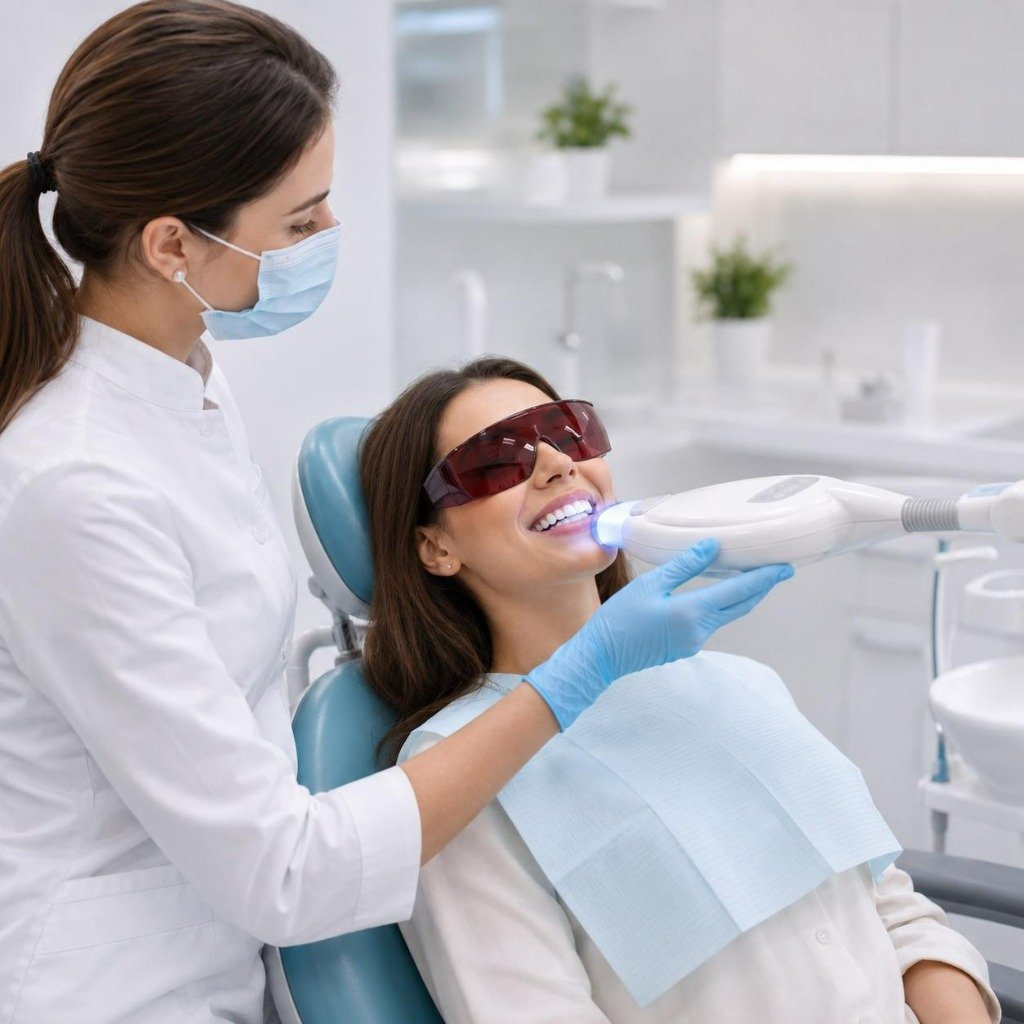
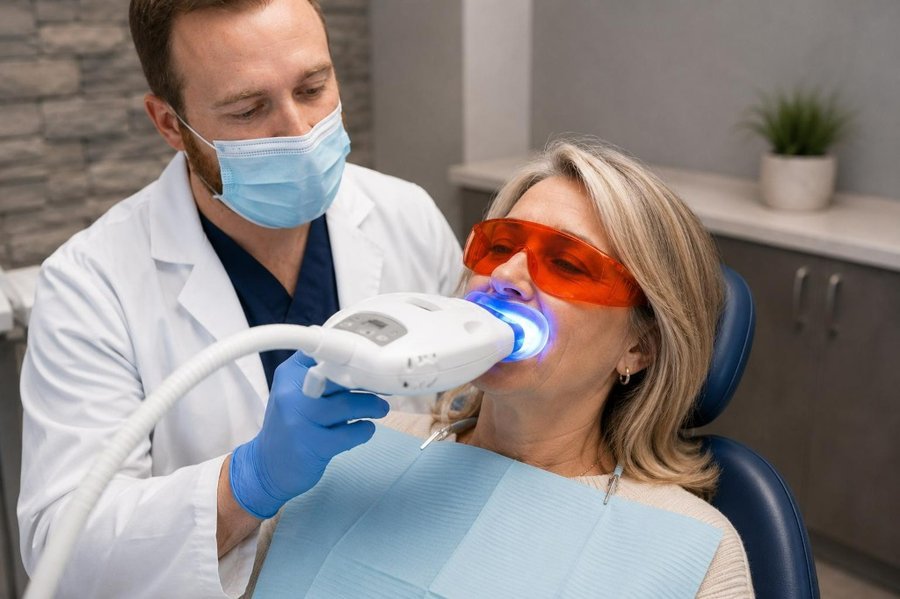
- Supervised Shade Brightening: Considered when healthy enamel has uniform age yellowing without untreated cavities or receding root sensitivity.
Shade Evaluation at MANASVI DENTO CARE, Anantapur
Before ordering online whitening kits or abrasive scrubs, have a calm shade assessment at MANASVI DENTO CARE near Court Road, opposite Union Bank, Anantapur. Dr. K. Lakshmi checks enamel integrity and outlines honest, sensitivity-conscious expectations.
When a single tooth darkens gradually gray or brown while neighbouring teeth stay bright, past trauma may have quietly compromised the nerve inside—requiring a checkup rather than abrasive whitening paste.
Frequently Asked Questions
Normal age-related enamel thinning, early acid wear, mineral tartar buildup, past trauma to one tooth, or developmental chalky spots can all alter tooth colour without dark drinks.
Impact trauma can gradually reduce pulp vitality inside one tooth, releasing dark blood-cell pigments into inner dentin tubules. A dental X-ray evaluates root health cleanly.
Frequent use of gritty charcoal powders abrades protective enamel without changing internal dentin colour—leaving teeth thinner and more sensitive over time.
Mild chalky white fluorosis streaks are primarily cosmetic developmental variations in enamel texture and do not mean the tooth is actively rotting—though moderate pitted forms benefit from dental monitoring.
- American Dental Association (ADA) — Tooth Discoloration Overview
- NHS Oral Conditions — Teeth Whitening & Staining Facts
Compassionate Dentistry Near Court Road, Anantapur
MANASVI DENTO CARE is located at Court Road, opposite Union Bank, Anantapur, Andhra Pradesh, and is led by Dr. K. Lakshmi, BDS (Cosmetic Dental Surgeon, Registration No. A2407). We focus on clear explanations, gentle local comfort protocols, and preventive long-term oral health for individuals and families.