What Is Nighttime Teeth Grinding (Sleep Bruxism)?
During normal chewing, teeth touch lightly with soft food cushioning impact. Sleep bruxism involves involuntary clenching or rhythmic side-to-side grinding while asleep—generating forces several times stronger than daytime eating while protective pain reflexes are blunted.
Because many people sleep alone or clench silently without loud scraping sounds, they may only explore teeth grinding treatment in Anantapur once mornings bring temple headaches, chipped front edges, or unexplained tooth sensitivity.
How Grinding Gradually Affects Teeth and Restorations
Unchecked nocturnal clenching leaves unmistakable clues across enamel, fillings, and muscles:
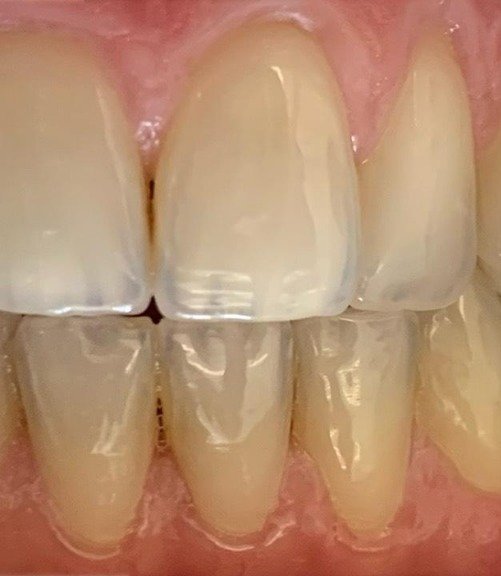
- Flattened, translucent, or chipped biting edges on front incisors and sharp cusps worn smooth on molars.
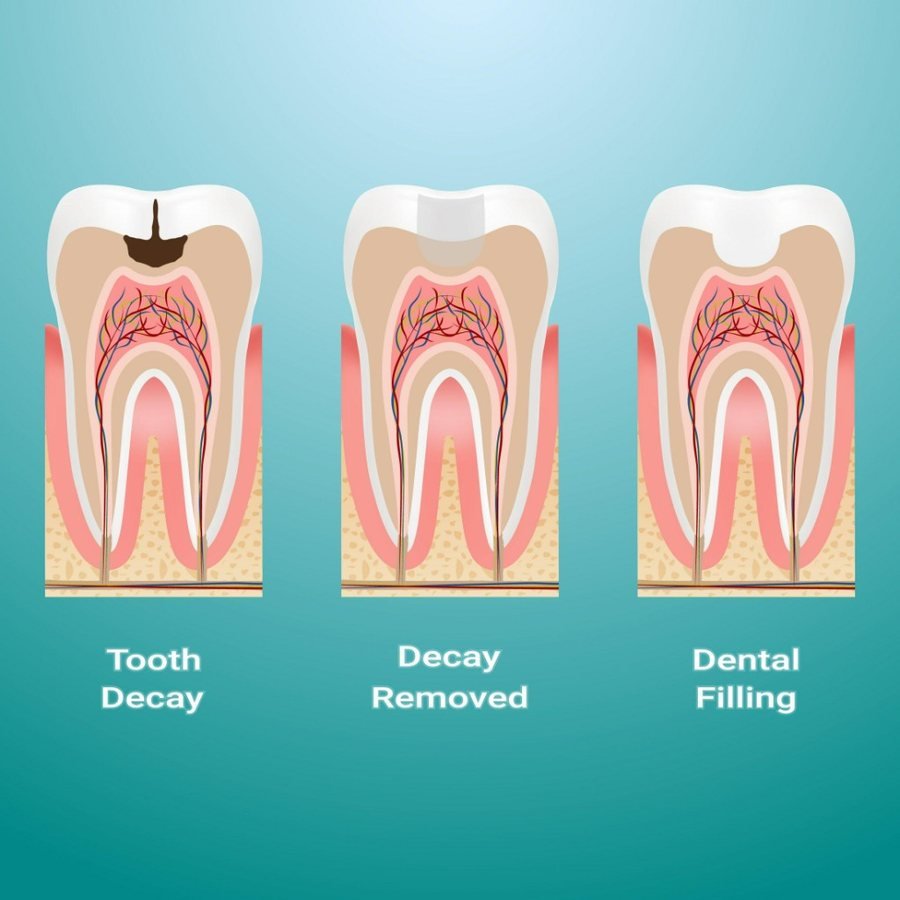
- Fine hairline craze lines, cracked dental fillings, or crowns chipping prematurely.
- Morning jaw tightness, ear-region aches, dull temple headaches, or scalloped ridges along the sides of your tongue.
- Generalized cold sensitivity as outer enamel thins and microscopic flexing irritates underlying dentin.
Common Factors Behind Sleep Clenching
Sleep bruxism rarely stems from one isolated trigger. Clinical research points toward a combination of nervous-system arousal, lifestyle habits, and sleep physiology:
- Stress, High Mental Workload & Poor Sleep Architecture: Brief sleep micro-arousals frequently trigger jaw muscle contractions.
- Evening Caffeine, Nicotine, or Alcohol: Stimulants and disrupted REM sleep raise nocturnal muscle activity.
- Medication Side Effects or Airway Disturbances: Certain prescriptions and fragmented breathing during sleep (including snoring or sleep apnea) can correlate with grinding episodes.
- Uneven Dental Contacts or Recent Restorations: Occasionally, a slightly high filling shifts how teeth settle together comfortably.
Practical Prevention and Protective Dental Options
While stress reduction and sleep hygiene tackle triggers, protecting enamel physically prevents costly fractures while habits improve:
Protective Occlusal Splints (Nightguards)
A properly fitted dental nightguard creates a smooth cushion between upper and lower arches—absorbing grinding forces, preventing tooth-on-tooth enamel wear, and calming overactive jaw muscles. Ill-fitting bulky boil-and-bite guards sometimes increase chewing reflex if thickness feels awkward, making professional assessment worthwhile.
Evening Wind-Down Habits
Limiting coffee or tea late in the evening, placing a warm washcloth over tight cheeks before bed, and consciously dropping jaw tension ('lips together, teeth apart') during daytime screen work help lower clenching intensity.
Checking Tooth Wear at MANASVI DENTO CARE
If your partner hears grinding at night, your fillings chip repeatedly, or your jaw feels tired every morning, book a calm checkup at MANASVI DENTO CARE near Court Road, Anantapur. Dr. K. Lakshmi evaluates wear patterns, sensitive teeth, and conservative protective strategies tailored for your bite.
Many patients grind for years before noticing flattened biting edges. Routine dental checkups at MANASVI DENTO CARE in Anantapur catch early wear facets before cracks reach the nerve.
Frequently Asked Questions
Yes. Repeated heavy clenching wears down protective enamel, flattens tooth height, triggers cold sensitivity, and increases fracture risk in both natural teeth and fillings.
Mild temporary grinding is fairly common as baby teeth erupt or jaws grow, and many children outgrow it. Mention it during checkups so a dentist can verify there is no excessive enamel wear or airway concern.
A nightguard protects teeth and fillings from physical damage during sleep, while stress management, caffeine timing, and sleep evaluation address underlying triggers.
Yes. Overloading one prominent tooth night after night bruises its periodontal ligament fibres, causing temporary tenderness and mild mobility.
- American Dental Association (ADA) — Bruxism / Teeth Grinding
- NHS Oral Conditions — Teeth Grinding (Bruxism) Guidance
Compassionate Dentistry Near Court Road, Anantapur
MANASVI DENTO CARE is located at Court Road, opposite Union Bank, Anantapur, Andhra Pradesh, and is led by Dr. K. Lakshmi, BDS (Cosmetic Dental Surgeon, Registration No. A2407). We focus on clear explanations, gentle local comfort protocols, and preventive long-term oral health for individuals and families.