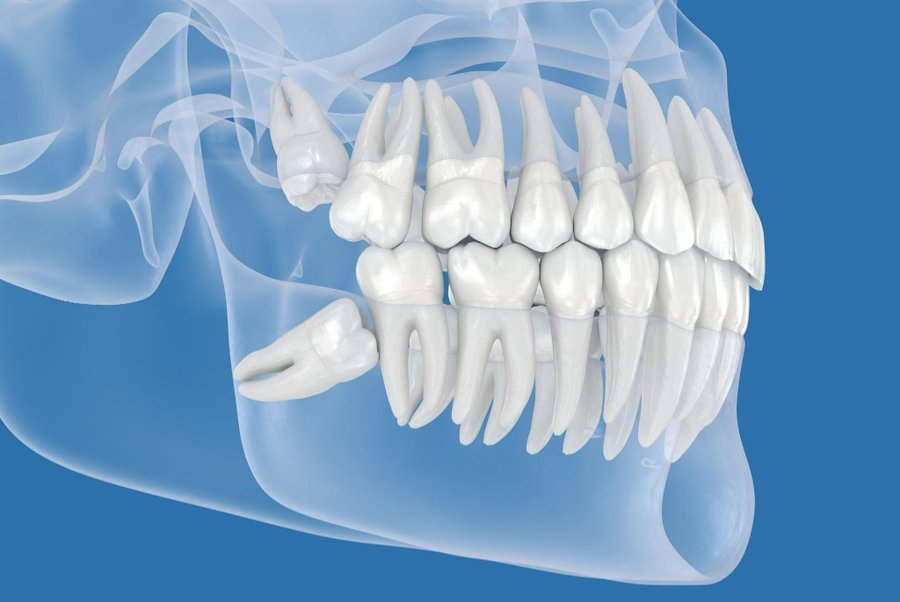
Teeth, Muscles, and the Temporomandibular Joint (TMJ)
Every bite brings your lower jawbone into motion through a pair of sliding hinge joints located right in front of each ear—the temporomandibular joints (TMJs)—powered by strong chewing muscles and guided by how your upper and lower teeth interlock.
Because nerves around the jaw, ear, teeth, and neck intertwine closely, pinpointing jaw pain requires evaluating both oral health and muscular strain. Patients looking for a jaw pain dentist in Anantapur frequently discover that a targeted exam prevents weeks of unnecessary discomfort.
Why Jaw Pain Flares Specifically During Chewing
Chewing applies significant force across joints and teeth, exposing issues that feel quiet at rest:
- TMJ Muscle Fatigue & Clenching (Bruxism): Grinding teeth while asleep or holding jaw muscles tense during stressful workdays leaves masseter muscles sore and stiff by mealtime.
- Temporomandibular Joint Irritation or Disc Clicking: Inflammation inside the joint capsule can trigger dull aches near the ear, popping sounds, or limited mouth opening.
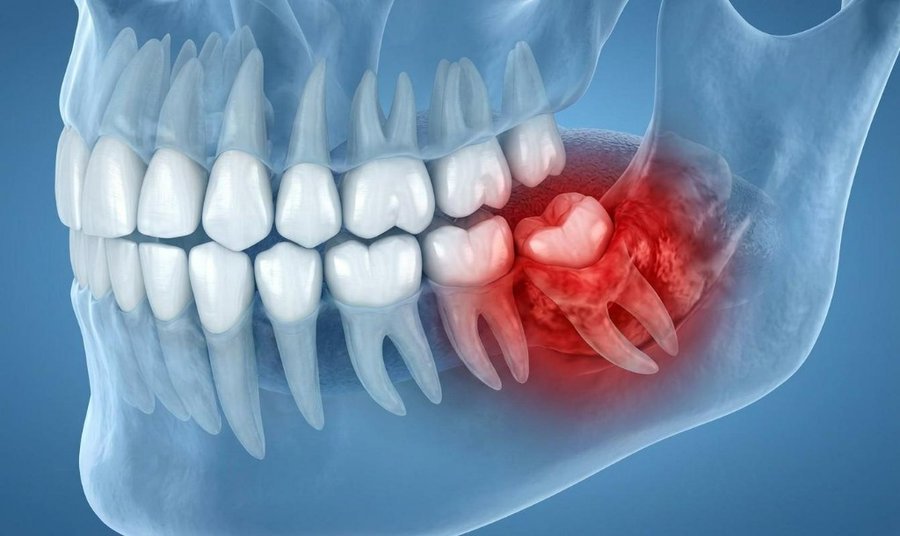
- Erupting or Impacted Wisdom Teeth: Swollen gum flaps or pressure behind second molars frequently refer pain backward toward the jaw angle and ear.
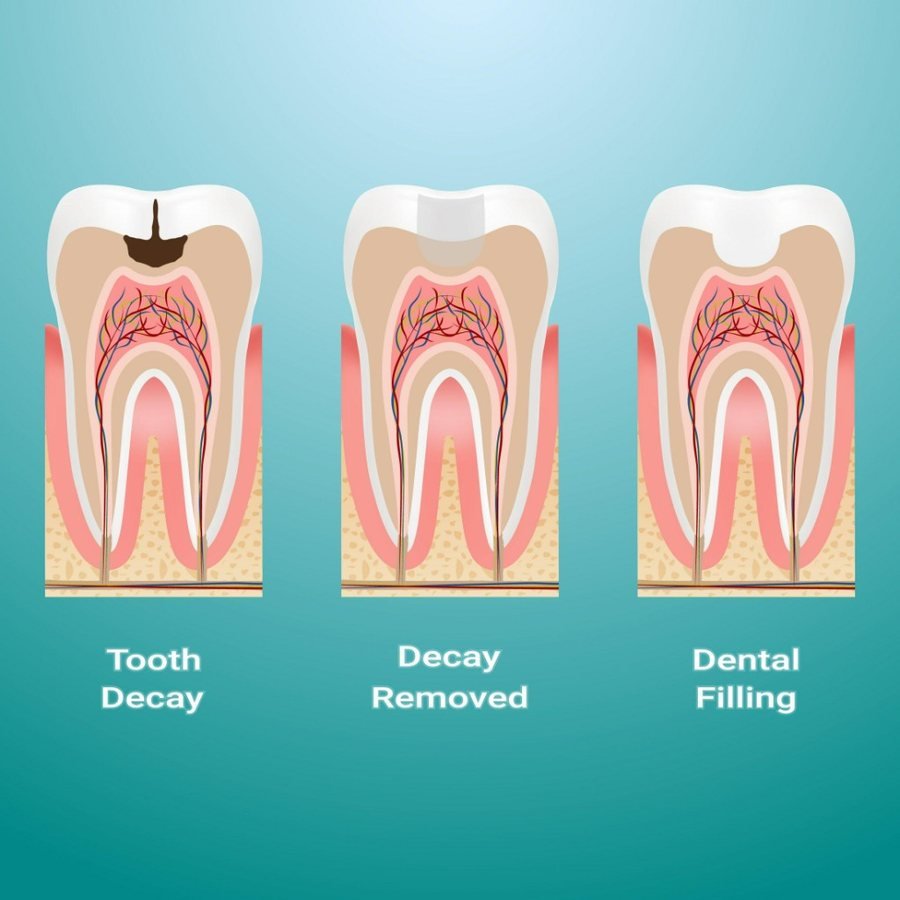
- Cracked Tooth or Deep Bite Infection: A microscopic fracture or deep cavity fires sharp pain whenever chewing pressure separates tooth cusps, causing protective jaw muscle guarding.
- Uneven Bite After Missing Teeth or High Fillings: Chewing heavily on just one side after losing molars strains the opposite joint asymmetrically.
First-Line Conservative Steps Supported by Clinical Research
According to NIDCR guidance, most non-infectious TMJ discomfort responds well to gentle, reversible habits before invasive procedures are ever considered:
- Give overworked muscles temporary rest by choosing softer meals (dal, curd rice, cooked vegetables, soft chapatis) for several days.
- Apply warm moist compresses along the cheek side for 10–15 minutes to relax tight chewing muscles—or brief cold packs right after acute swelling.
- Avoid extreme wide yawns, nail biting, chewing betel nuts or ice cubes, and gum chewing during flare-ups.
- Maintain relaxed resting posture throughout the day: lips together gently, teeth slightly apart, tongue resting lightly on the roof of the mouth.
What a Dental Jaw Evaluation Includes
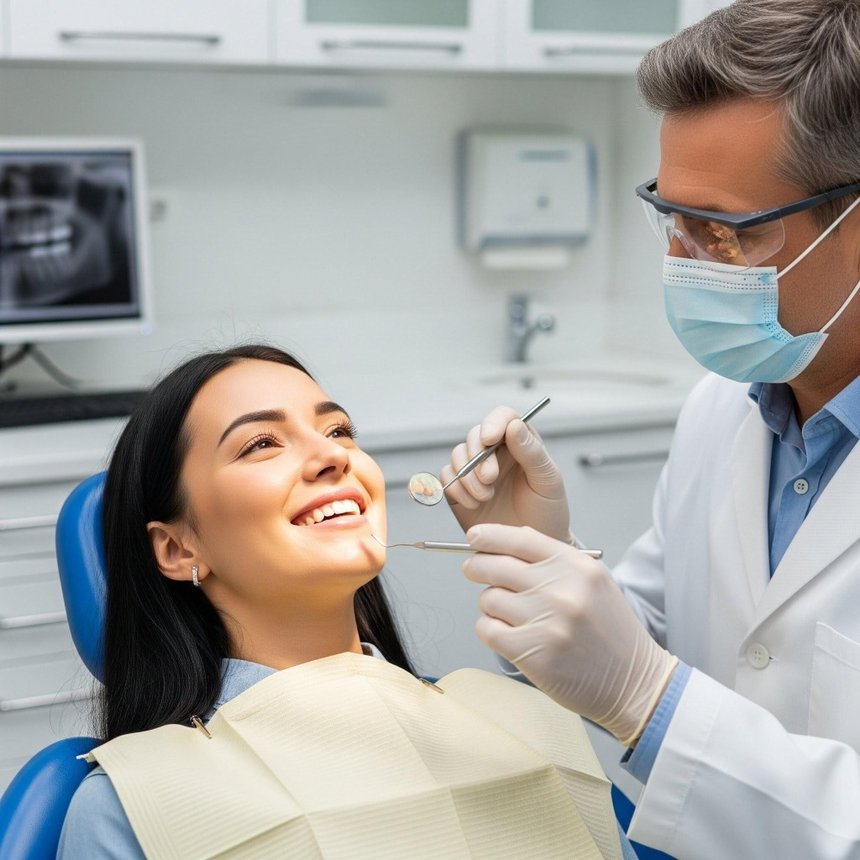
Rather than guessing between joint strain and tooth infection, a dentist checks tooth vitality, wisdom tooth alignment, bite balance on thin articulating paper, and joint tenderness. Treating a cracked filling, managing an inflamed wisdom tooth, or recommending a custom nightguard for clenching targets the specific source.
If jaw discomfort involves severe locked opening or complex joint disorders, appropriate referral pathways are discussed honestly without delay.
Urgent Red Flags Requiring Immediate Medical Evaluation
Jaw or left-sided neck/chest pressure accompanied by shortness of breath, sweating, dizziness, or arm discomfort is a medical emergency—seek emergency medical care immediately. Likewise, acute facial trauma or inability to open/close your mouth suddenly needs urgent assessment.
Scheduling a Calm Consultation Near Court Road
If chewing pain, morning jaw tightness, or discomfort around back molars has persisted beyond a few days, visit MANASVI DENTO CARE near Court Road, opposite Union Bank, Anantapur for a calm clinical exam with Dr. K. Lakshmi.
Jaw soreness often mimics earache or molar pain. A structured bite and X-ray exam with Dr. K. Lakshmi at MANASVI DENTO CARE in Anantapur separates muscular TMJ strain from hidden dental infection.
Frequently Asked Questions
Tough or chewy foods overload already fatigued chewing muscles, irritated TMJ capsules, or a cracked/inflamed molar—triggering localized ache or sharp spasm.
Mild, painless clicking happens in many people and often needs only observation and avoiding extreme jaw opening. Painful locking or progressive stiffness should be examined.
Yes. Favouring one side for months places uneven work on chewing muscles and joints, occasionally leading to one-sided stiffness.
See a dentist first when jaw pain occurs with chewing, tooth sensitivity, clenching, or wisdom teeth. Seek emergency medical care immediately if jaw pain accompanies chest tightness or breathlessness.
- National Institute of Dental and Craniofacial Research (NIDCR) — TMJ Disorders
- NHS Oral Guidance — Temporomandibular Disorder (TMD)
Compassionate Dentistry Near Court Road, Anantapur
MANASVI DENTO CARE is located at Court Road, opposite Union Bank, Anantapur, Andhra Pradesh, and is led by Dr. K. Lakshmi, BDS (Cosmetic Dental Surgeon, Registration No. A2407). We focus on clear explanations, gentle local comfort protocols, and preventive long-term oral health for individuals and families.