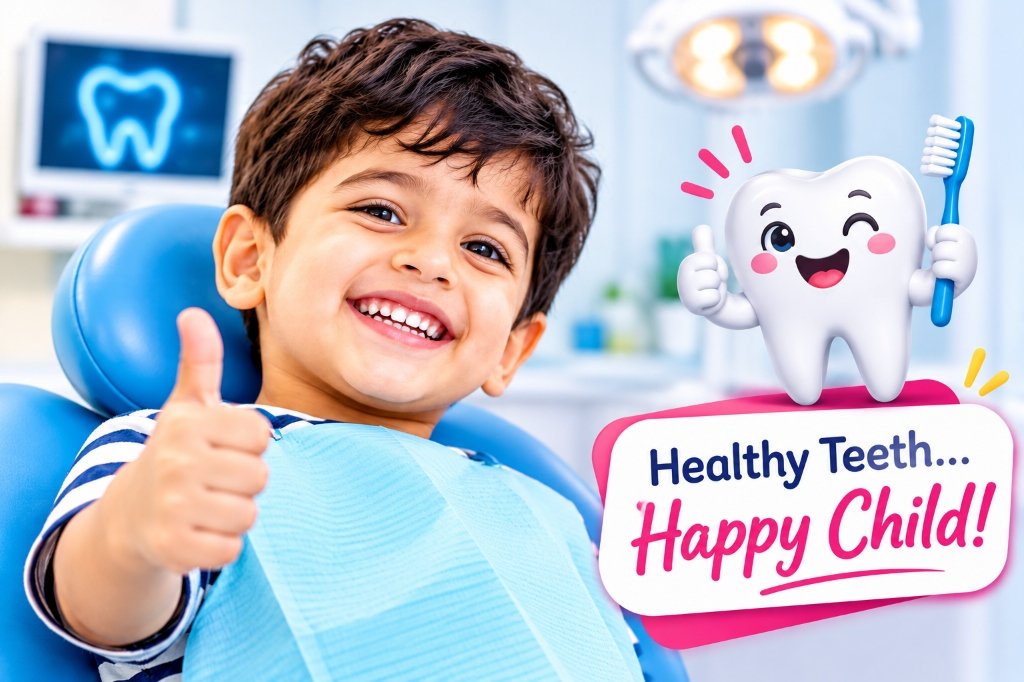
Why Finding the Right Dentist for Kids Matters Beyond Cavities
For many families across Anantapur, searching for a dentist for kids begins suddenly—when a child complains of sensitivity while drinking cold buttermilk, shows a dark groove in a back molar, or resists brushing after sweets. Yet the clinical experience during those early appointments determines far more than whether a single tooth feels better that afternoon.
Children remember tone of voice, bright lights, clinical smells, and whether adults listen when they raise a hand. When a child's earliest appointments are rushed or confusing, minor uneasiness can harden into long-term avoidance through teenage years and adulthood. By contrast, a structured, patient-led visit teaches young patients that caring for teeth is ordinary, respectful, and even engaging.
Parents in Anantapur do not need flashy promises when evaluating a clinic. Instead, looking closely at communication clarity, hygiene routines, age-appropriate pacing, and realistic clinical boundaries gives every family a reliable framework. You can also explore our dedicated children's dental services overview to see how preventive exams fit into family care.
Five Practical Standards Parents Should Look For Before Booking
Whether your family lives close to Court Road or travels into central Anantapur for school and errands, evaluating clinics against concrete clinical behaviors helps cut through guesswork.
- Tell-Show-Do Pacing: Notice whether the clinician introduces small mirrors, air syringes, and suction tips playfully by name before gently looking inside the mouth.
- Plain-Language Parent Explanations: Clear descriptions of enamel demineralization, early cavities, or normal mixed-dentition spacing without pushing rushed treatments.
- Sterilization and Instrument Hygiene: Sealed autoclave pouches opened before examination and clean protective barriers give parents immediate confidence.
- Consent and Comfort Transparency: Explaining options such as numbing gels before minor restorations, keeping visits short when attention fades, and allowing a parent close by.
- Honest Scope and Referral Integrity: General dental clinics help with routine checkups, hygiene guidance, and basic fillings, while also advising specialized pedodontist referrals when complex sedation or major trauma arises.
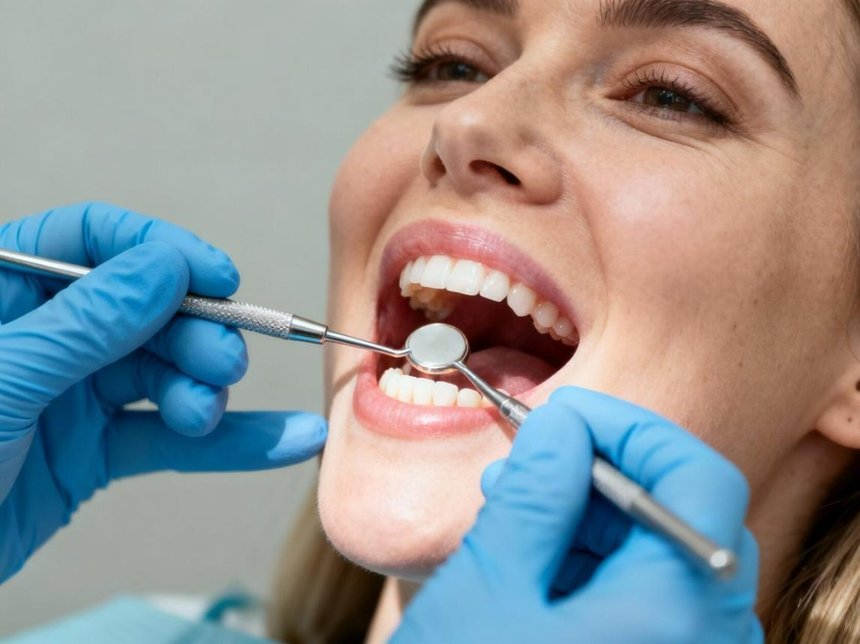
Checking Clinician Credentials Transparently
Every legitimate clinic should present doctor qualifications plainly. At MANASVI DENTO CARE, visits are led by Dr. K. Lakshmi, BDS (Cosmetic Dental Surgeon, Registration No. A2407), who approaches routine child checkups and restorative guidance with calm clarity rather than overclaiming specialist pediatric degrees.
Looking at Diagnosis Before Procedure Recommendations
Not every dark groove on a child's molar is an emergency cavity—sometimes harmless food staining settles inside deep natural pits. A thoughtful evaluation distinguishes watch-and-protect white-spot enamel from active decay needing restoration.
What a Calm Children's Dental Assessment Should Include
Parents frequently wonder what actually happens during a well-paced kids' visit when there is no toothache yet. Rather than going straight toward dental drills, routine appointments concentrate on comfort, observation, and coaching both parent and child.
During a baseline assessment, the dentist checks how baby teeth sit together, looks for early chalky-white spots near upper front gums, checks whether permanent six-year molars are erupting smoothly behind back baby teeth, and gently reviews swollen or tender gums. Reviewing brushing angles hands-on with parents often solves stubborn plaque spots within days.
Discussing Preventive Options Subject to Clinical Assessment
Depending on age and cavity risk, options such as enamel-protective fluoride applications or pit-and-fissure sealing on back molars may be discussed—always subject to clinic confirmation after inspecting the child's teeth in person. Read more about routine children's fluoride care or protective molar sealants in our parent guides.
Coordinating Follow-Up Around School Schedules
Younger children usually cope best earlier in the day when they are fed, rested, and less cranky than late evening hours. Scheduling short preventive checks before small pits turn painful keeps missed school days to a minimum.
How Parents Partner Between Clinic Checkups to Protect Results
Even the gentlest half-hour dental checkup twice a year accounts for only one tiny slice of your child's year; the remaining 363 days happen right beside the kitchen table and bathroom mirror. An exceptional dental clinic gives families clear daily takeaways tuned to your child's age—never vague advice like 'brush better.'
For toddlers under three, that means using a rice-grain smear of fluoride toothpaste with adult lap positioning after evening milk. For kindergarteners through age eight, it means checking behind newly erupting back molars after dinner since small wrists rarely turn toothbrush bristles sideways consistently until shoe-tying coordination matures. And for school-age kids packing tiffins across Anantapur, rinsing cleanly with plain water after mid-morning snacks prevents biscuit starches from feeding bacteria all day.
Keeping a Quick Home Observation Log
Jot down brief observations between visits—such as occasional nighttime teeth grinding, finger-sucking during cartoons, or momentary cold sensitivity—so every checkup directly answers what matters most to your family.
Helpful Questions Parents Can Ask at the Reception or Chairside Desk
Asking practical questions beforehand shows a clinic that you value gentle care and transparent partnership:
- May a parent stay beside a younger toddler during the initial mirror check?
- How does the clinic pause if a child feels overwhelmed mid-examination?
- Are any recommended restorative fillings matched in tooth-colored material, and what does recovery feel like afterward?
- When would the doctor advise waiting and monitoring versus treating a baby tooth right away?
- Can both brushing instruction and snack-timing guidance be reviewed together during the same visit?
Supporting Young Smiles Near Court Road, Anantapur
Families looking for attentive oral evaluations near Court Road, opposite Union Bank in Anantapur can plan a consultation with MANASVI DENTO CARE without guesswork. Our focus rests on clear answers, respectful pacing for children, and honest preventive guidance tailored to real Indian household diets.
Before coming in, jot down any sensitivity triggers, thumb-sucking habits, or nighttime feeding questions so nothing slips your mind in the chair room. You can inspect directions and inquiry details anytime on our Anantapur clinic help page, or continue reading our parent roadmap for lifelong healthy smiles.
At MANASVI DENTO CARE near Court Road, opposite Union Bank, Anantapur, Dr. K. Lakshmi, BDS (Cosmetic Dental Surgeon, Registration No. A2407) prioritizes unhurried visual explanations so children understand every step without pressure.
Frequently Asked Questions
Dental associations recommend a gentle first checkup around six months after the first baby tooth appears, or no later than the child's first birthday, so visits stay preventive rather than pain-driven.
Yes. Routine oral checkups, parent brushing coaching, early cavity detection, and uncomplicated child fillings can be assessed by an experienced BDS clinician like Dr. K. Lakshmi, BDS (Registration No. A2407). When advanced pediatric behavioral sedation or specialized pulp intervention is required, the clinician guides parents appropriately.
Talking positively at home—avoiding words like 'pain' or 'injection'—and choosing a clinic that introduces instruments visually step-by-step greatly lowers nervous anticipation.
Early childhood decay often grows silently until it approaches the tooth nerve. Early visits catch surface changes when care is far simpler and gentler.
Bring your child's current toothpaste tube if unsure about ingredients, any medical allergy history, a favorite comforting toy for toddlers, and any snack or brushing questions.
- Indian Dental Association (IDA) — Oral Health Care Guidelines for Children
- American Academy of Pediatric Dentistry (AAPD) — Guideline on Behavior Guidance for the Pediatric Dental Patient
- World Health Organization (WHO) — Oral Health Fact Sheet
Compassionate Dentistry Near Court Road, Anantapur
MANASVI DENTO CARE is located at Court Road, opposite Union Bank, Anantapur, Andhra Pradesh, and is led by Dr. K. Lakshmi, BDS (Cosmetic Dental Surgeon, Registration No. A2407). We focus on clear explanations, gentle local comfort protocols, and preventive long-term oral health for individuals and families.