Why Nursing Bottle Tooth Decay Targets Upper Front Teeth First
Parents are frequently stunned to see all four upper front incisors turning rough, chalky, or brownish-black while their two-year-old's bottom front teeth remain pearly bright. Clinicians recognize this distinct pattern immediately as Early Childhood Caries (ECC)—historically called baby bottle tooth decay.
While children stay awake and active, talking and swallowing continuously trigger fast saliva flow that rinses liquid residues down cleanly. Once sleep sets in, protective saliva production drops dramatically. If a child drifts asleep clutching a bottle filled with formula, cow's milk, sweetened ragi malt, or diluted fruit juice—or wakes frequently for uncleaned night feeds—sweetened liquid pools closely inside the pocket beneath the upper lip.
Mouth bacteria convert trapped milk lactose and added sugars into weak acid for hours every night, softly dissolving delicate baby tooth enamel faster than daytime saliva can rebuild it. Review earlier infant milestones inside our guide on when baby mouth care should start.
Recognizing the Progressive Stages of Toddler Tooth Decay
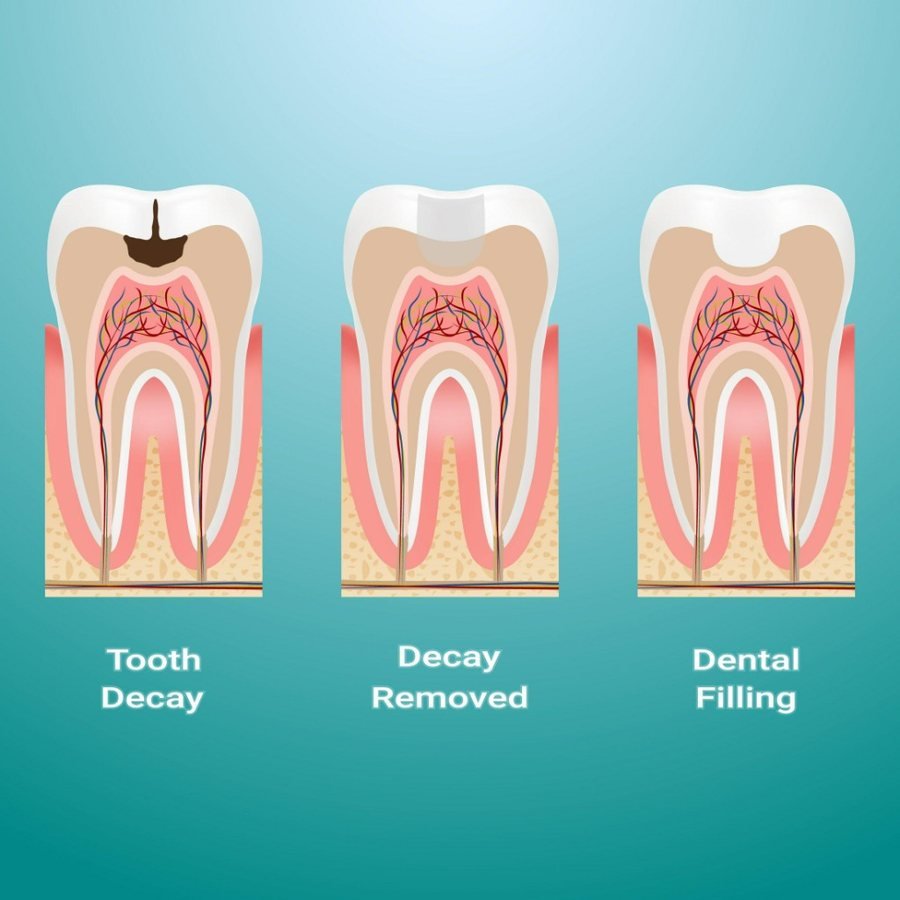
Spotting early stages makes conservative preservation far simpler than waiting until broken crowns appear:
- Stage 1 (White Crescent Marks): Matte white lines hug the gum curve on upper front teeth; enamel remains intact and looks dull when wiped dry.
- Stage 2 (Amber or Brown Notches): Thin enamel begins flaking off near gums, showing soft yellowish-brown grooves that catch toothbrush bristles.
- Stage 3 (Circled Breakdown & Cracks): Decay wraps right around necklines, leaving upper teeth frail so biting crisp apples chips corners easily.
- Stage 4 (Deep Nerve Infection): Dark pulp canals become exposed, causing avoidance of hot/cold foods, cheek swelling, or tiny red gum boils above the roots.
Separating Harmless Iron Syrups From Active Cavities
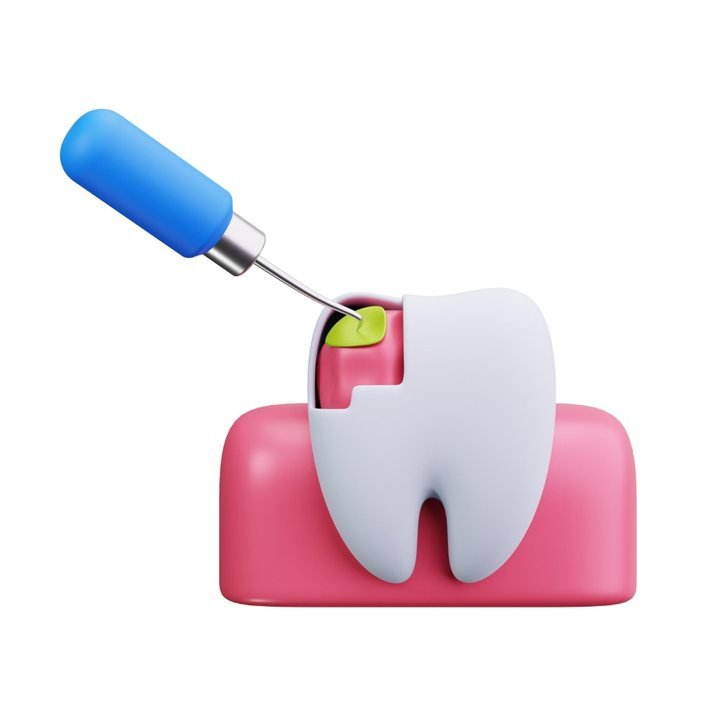
Occasionally pediatric multivitamin or iron drops leave flat dark gray-black surface staining on teeth without softened holes underneath. An in-person mirror check cleanly separates harmless syrup discoloration from true enamel cavitation.
Everyday Triggers Inside Indian Households Beyond Night Bottles
Nursing bottles aren't the sole culprit. Several affectionate daily routines accidentally extend sugar exposure similarly:
- Dipping pacifiers or clean fingers in honey (also strictly unsafe under age one) or sugar syrup to soothe tears.
- Sharing feeding spoons directly from an adult's mouth—transferring cavity-forming Streptococcus mutans bacteria early before baby teeth settle.
- Carrying a sippy cup of sweet milk or packaged mango drink constantly through the afternoon rather than serving drinks alongside snacks and pouring water afterwards.
- Giving sticky sweet biscuits or dates right in bed after night brushing is already done.
Gentle Two-Week Night Bottle Transition Plan for Tired Parents
Stopping bedtime bottles cold-turkey overnight leaves both toddlers and exhausted parents crying at 2 AM. A gradual comfort-preserving shift works cleanly across ten to fourteen nights: first serve evening milk calmly while seated wide awake in the living room twenty minutes ahead of sleep, brush thoroughly with a tiny fluoride smear, and offer a soothing story in bed with a sippy bottle of plain cool water (or gradually dilute bedtime bottle water proportions slowly over two weeks until purely plain water remains).
Expect two mild transition nights of protesting before toddlers comfortably accept water or bedtime cuddles without sweetened milk.
Clinical Support Options When Early Decay Already Exists
Parents shouldn't abandon hope if pale white notches or brownish spots have already appeared—early detection still shields remaining primary molars effectively:
Early Remineralizing & Conservative Stabilization
Where outer enamel remains smooth without deep structural breakdown, immediate feeding changes paired with consistent daily fluoride brushing and clinical preventive assessments often arrest chalky surfaces calmly.
Restorative Care vs Specialist Pediatric Therapy
Gentle tooth-colored fillings or pediatric evaluations can often restore moderate front or back primary tooth spots comfortably—or, where deep multi-tooth decay approaches pulps in toddlers, clinicians guide parents honestly toward MDS pediatric dental specialists equipped for gentle pediatric restorations and crowns.
Don't Forget First Baby Molars When Watching Front Incisors
Because nursing bottle tooth decay shows up dramatically across upper front incisors, parents often focus nearly all worry—and toothbrushing attention—strictly on the front six teeth. Yet in many toddlers aged 18 to 36 months, those same acid-producing plaque patterns also coat bumpy chewing crevices on first baby molars further back out of casual sight!
Every time you do your calm five-second 'lift the lip' front check, ask your toddler to give one wide roaring lion yawn so you glance smoothly along back chewing tops as well. Prompt in-person screening at MANASVI DENTO CARE helps catch both front gumline bands and early rear molar shadows before nighttime discomfort develops.
Replacing Sticky Pacifier Soothing With Calm Bedtime Wind-Down
Pairing warm bath routines, soft storybook reading, and plain cool water sips cleanly satisfies bedtime comfort without relying on milky bottles or sweet drops.
Supportive Non-Judgmental Care in Anantapur
Parents rarely realize milk bottles harm front incisors until discoloration shows—so guilt never helps; steady practical action does. At MANASVI DENTO CARE near Court Road, opposite Union Bank, Anantapur, Dr. K. Lakshmi, BDS supports parents calmly with clear visual assessment, dietary tweaks, and timely preventive guidance.
Visit our Child Dental Care hub or inspect directions on our clinic help page if upper front teeth look dull, sensitive, or discolored.
During sleeping sips, a child's tongue naturally rests right over lower front teeth and constant sublingual saliva washes them—leaving exposed upper front incisors soaking longest in pooled milk sugars.
Frequently Asked Questions
Exclusive breastfeeding carries multiple infant health benefits; however, once baby teeth erupt and solid foods start, frequent uncleaned night nursing after age one combined with sweet daytime snacks can increase plaque retention unless teeth are brushed well twice daily and wiped after final evening feeds where practical.
Yes, if untreated decay reaches deep into a baby tooth root and forms a chronic abscess, inflammation near the root tip can affect developing adult tooth enamel underneath.
Absence of pain doesn't guarantee absence of infection. Having a dentist examine stability ensures no quiet abscess is forming inside root tips.
No—nighttime brushing before sleep is actually the most critical brush of the day because overnight saliva drops significantly.
Avoiding shared saliva on tasting spoons or pre-cooled food bites helps limit transferring cavity-causing mouth bacteria early while infants build healthy oral balance.
- World Health Organization (WHO) — Ending Childhood Dental Caries Implementation Manual
- American Academy of Pediatric Dentistry (AAPD) — Policy on Early Childhood Caries
Compassionate Dentistry Near Court Road, Anantapur
MANASVI DENTO CARE is located at Court Road, opposite Union Bank, Anantapur, Andhra Pradesh, and is led by Dr. K. Lakshmi, BDS (Cosmetic Dental Surgeon, Registration No. A2407). We focus on clear explanations, gentle local comfort protocols, and preventive long-term oral health for individuals and families.