What Is a Dental Bridge and How Does It Work?
A dental bridge literally 'bridges' the gap left by one or several missing teeth. Unlike removable partial dentures that are taken out each night, a conventional bridge is cemented securely in place so it feels closely integrated with your natural bite.
Most fixed bridges consist of prosthetic replacement teeth called pontics anchored by custom crowns placed over the healthy teeth on either side of the gap (known as abutment teeth). Understanding dental bridge treatment in Anantapur starts with checking whether those supporting teeth are healthy enough to carry extra chewing load.
Four Common Dental Bridge Designs
Depending on where the missing tooth sits and the condition of adjacent enamel, clinicians consider distinct bridge designs:
- Traditional Fixed Bridge: Crowns sit over healthy teeth on both sides of a gap with a solid pontic suspended between them; widely used for molars and premolars.
- Cantilever Bridge: Anchored to an abutment tooth on only one side of the missing space—less common today and typically restricted to low-force areas.
- Maryland (Resin-Bonded) Bridge: Uses subtle metal or porcelain wings bonded onto the back surface of adjacent front teeth, conserving more outer enamel.
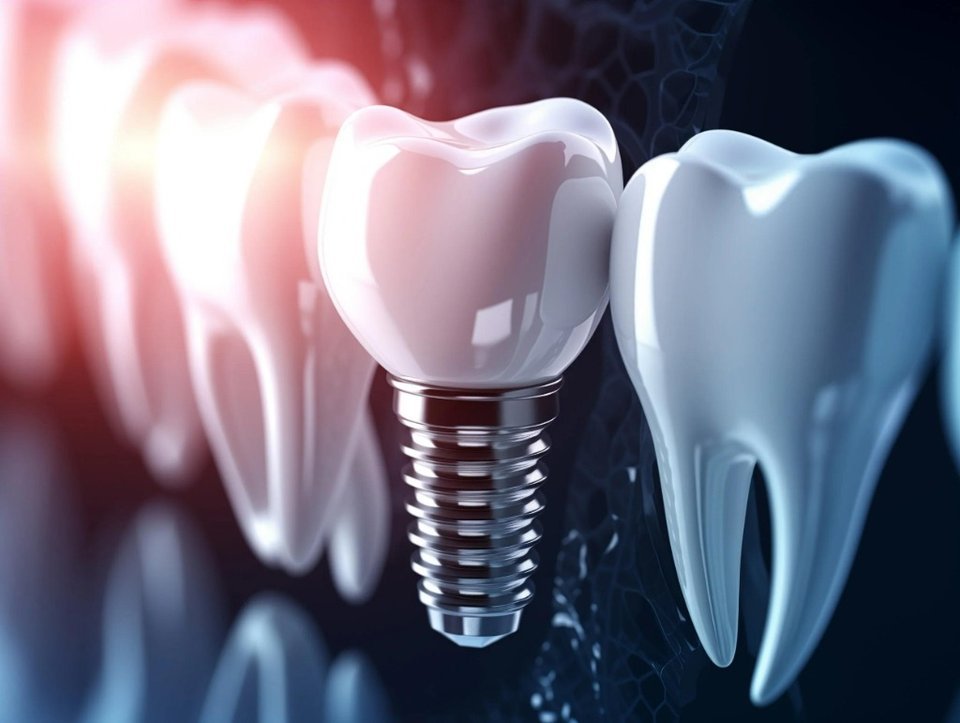
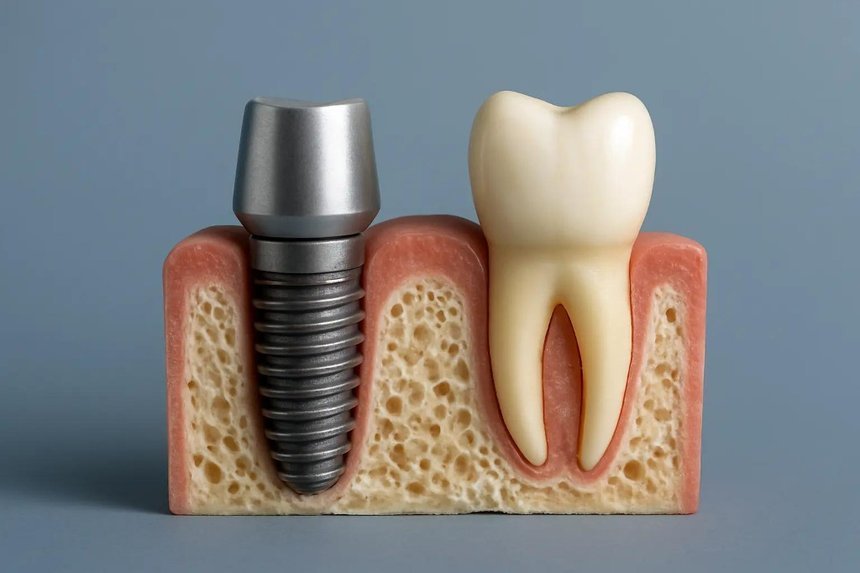
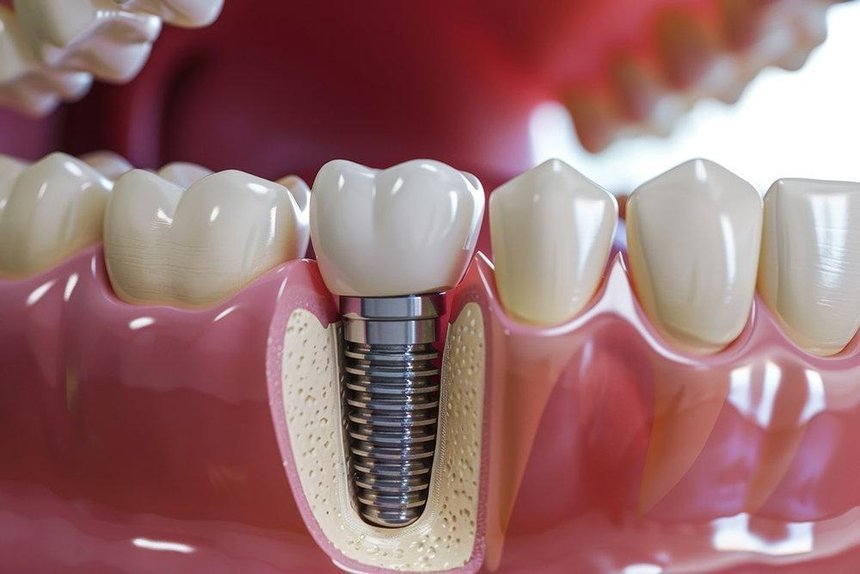
- Implant-Supported Bridge: Anchored onto titanium dental implants rather than natural teeth when multiple adjacent teeth are absent.
Dental Bridge vs. Dental Implant: Deciding What Fits Best
Patients frequently ask whether to choose a dental bridge or a single dental implant. Each option carries clear biological trade-offs:
When Adjacent Teeth Already Have Large Fillings
If neighbouring teeth are already heavily restored or cracked and would benefit from protective crowns anyway, a traditional bridge addresses both teeth while filling the gap—often in a shorter overall timeline without surgery.
When Neighbouring Teeth Are Completely Untouched
Preparing virgin, cavity-free teeth just to support a bridge removes healthy enamel permanently. In those cases, a standalone titanium dental implant protects adjacent teeth and helps preserve underlying jawbone volume.
What Influences Dental Bridge Cost and Lifespan?
Rather than fixed quotes—which would vary misleadingly between cases—treatment fees depend on clinical scope: how many missing units are spanned, the restorative material selected (zirconia, porcelain-fused-to-metal, or all-ceramic), and whether supporting teeth require fillings or root therapy beforehand.
According to ADA clinical summaries, bridges commonly last five to fifteen years or longer when margins remain plaque-free. Most bridge failures occur not because the ceramic cracks, but because hidden decay sneaks underneath an abutment crown.
How to Clean Beneath a Fixed Bridge Daily
Because the pontic spans above your gumline, ordinary floss cannot pass straight downward between joined units. Plaque left under the pontic quickly irritates gums and weakens anchor teeth.
- Use floss threaders or stiff-tipped superfloss daily to sweep underneath the suspended replacement tooth.
- Consider small interdental brushes or a water flosser to flush food debris gently along crown edges.
- Attend regular scaling and checkups at MANASVI DENTO CARE near Court Road, Anantapur so crown margins and supporting gums stay checked early.
At MANASVI DENTO CARE on Court Road, Anantapur, Dr. K. Lakshmi evaluates the strength of neighbouring teeth and jawbone before recommending fixed or implant-based options.
Frequently Asked Questions
Bridge costs depend on the number of missing teeth being replaced, ceramic or zirconia material choice, and any preparatory treatment needed on supporting teeth. An in-clinic exam gives an exact plan.
Tooth preparation is performed under local numbing, so discomfort is minimal. Mild gum soreness or cold sensitivity afterward usually fades within several days.
Most bridges require two main clinical visits after initial evaluation: shaping supporting teeth with digital or physical impressions (plus a temporary bridge), followed by fitting and cementing the finished restoration.
Sometimes yes—if the supporting teeth remain intact and decay-free. Keep the bridge safe and seek a dental checkup promptly so exposed teeth do not shift or decay.
- American Dental Association (ADA) — Bridges Patient Education
- NHS Dental Treatments — Crowns and Bridges Guide
Compassionate Dentistry Near Court Road, Anantapur
MANASVI DENTO CARE is located at Court Road, opposite Union Bank, Anantapur, Andhra Pradesh, and is led by Dr. K. Lakshmi, BDS (Cosmetic Dental Surgeon, Registration No. A2407). We focus on clear explanations, gentle local comfort protocols, and preventive long-term oral health for individuals and families.