Why Replacing Multiple Missing Teeth Protects Daily Health
Losing teeth does far more than leave visible gaps when smiling. Even a few missing molars reduce chewing efficiency, encouraging people to swallow larger pieces of food or favour soft, sugary diets. Over months and years, neighbouring teeth can drift toward open spaces, changing bite balance and creating uneven wear or jaw fatigue.
When all upper or lower teeth are absent, the underlying jawbone gradually resorbs without tooth roots to stimulate it, making cheeks and lips look sunken. Exploring dentures in Anantapur or alternative replacement options restores balanced chewing function, supports clearer pronunciation, and helps maintain natural lower-facial proportions.
Understanding the Main Types of Dentures
Not every removable appliance looks or functions the same. Selecting an appropriate design depends on how many natural teeth remain healthy, gum stability, and bone shape.
- Complete (Full) Dentures: Custom-shaped acrylic bases holding a full arch of prosthetic teeth when all upper, lower, or both arches lack natural teeth.
- Removable Partial Dentures: Designed to clip gently around healthy existing teeth using discreet metal frameworks or flexible bases when several teeth remain strong.
- Immediate Dentures: Placed shortly after tooth extractions so patients do not remain without teeth during initial healing; these typically need relining later as gums shrink naturally.
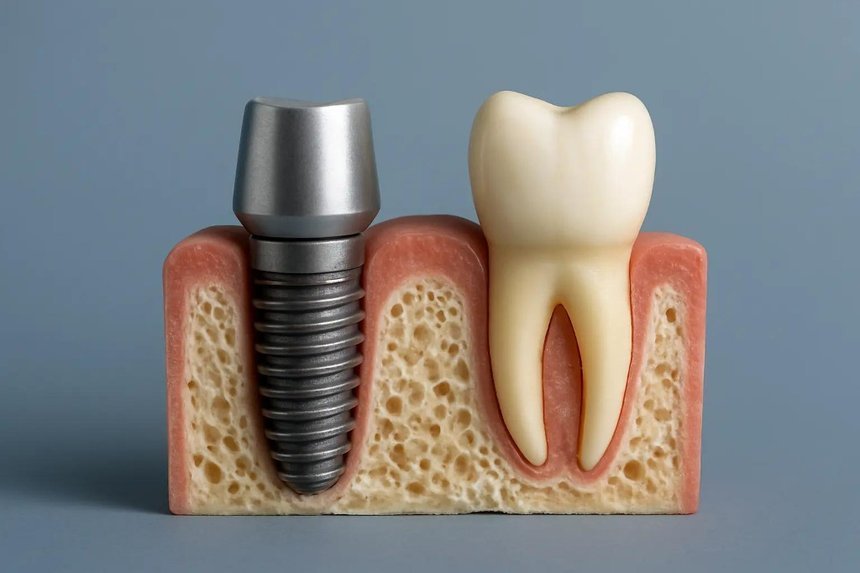
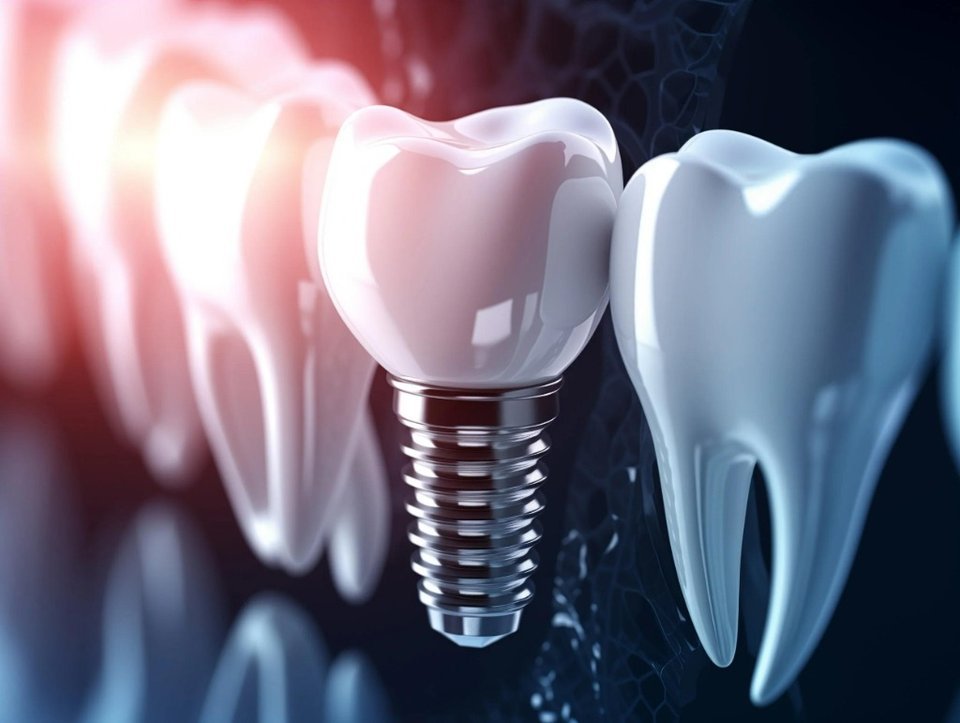
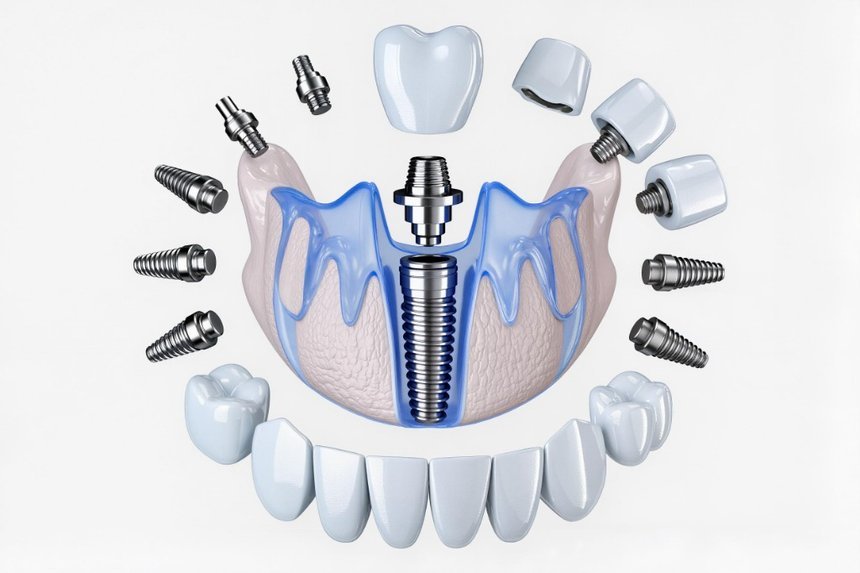
- Implant-Supported Overdentures: Removable dentures engineered to snap onto strategically placed dental implants for noticeably stronger stability—especially helpful on lower jaws.
Conventional vs. Implant-Retained Stability
Standard upper dentures rely partly on broad palate suction, whereas lower full dentures sit on a narrower ridge and move more easily with tongue motion. Patients wanting reduced slippage often ask about comparing dental implants with conventional dentures.
Key Benefits and Realistic Adjustment Expectations
Well-fitted dentures offer a practical, non-surgical pathway to restore smile symmetry, make softer meals comfortable, and ease strain on remaining teeth. For many seniors or patients managing systemic health considerations, removable prostheses provide an accessible starting point.
The First Few Weeks With New Dentures
Saliva flow commonly increases temporarily while the mouth treats a new denture like a foreign object. Reading aloud at home helps retrain tongue placement for 's' and 'f' sounds, while starting with small bites of soft food builds confidence before returning to firmer textures.
Why Sore Spots Should Never Be Ignored
Minor friction areas are normal early on, yet trying to sand or bend dentures yourself can ruin the fit permanently. Short adjustment visits allow a dentist to relieve pressure points accurately while preserving gentle suction.
What Typically Happens During Denture Planning
Creating comfortable false teeth involves carefully sequenced measurements rather than rushing to a single mould:
- 1. Oral & Gum Examination: Assessing existing teeth, gum ridges, jaw alignment, and whether any decayed roots or sharp bony contours need healing first.
- 2. Precision Impressions & Jaw Registration: Capturing accurate contours along with how upper and lower arches meet at rest and while biting.
- 3. Wax Try-In Evaluation: Previewing tooth size, shade, lip fullness, and bite alignment before final processing so small cosmetic refinements can be agreed upon.
- 4. Delivery & Follow-Up Check: Fitting the finished prosthesis and reviewing nightly hygiene habits plus scheduled review visits.
Maintaining Healthy Gums Beneath Your Dentures
Even without natural teeth, daily gum brushing with a soft brush keeps fungal irritation away and stimulates tissue circulation. Removing dentures while sleeping gives oral mucosa vital oxygen recovery time—continuous overnight wear frequently contributes to denture stomatitis (red, tender tissue beneath the acrylic base).
Because jawbone ridges continue changing subtly over years, periodic dental checkups confirm whether your prosthesis fits securely or requires relining. If you would like personalized guidance near Court Road, opposite Union Bank, Anantapur, schedule an evaluation at MANASVI DENTO CARE.
At MANASVI DENTO CARE on Court Road, opposite Union Bank, Anantapur, Dr. K. Lakshmi helps patients understand removable and fixed tooth-replacement options with calm, step-by-step assessments.
Frequently Asked Questions
Most patients feel noticeably more comfortable speaking and eating soft foods within two to four weeks, though complete muscle adaptation varies by ridge shape and prior tooth loss.
Dentists and NHS guidance generally recommend removing dentures overnight and soaking them cleanly so your gums rest and recover from daytime pressure.
Not automatically. While implants provide fixed stability and bone stimulation, suitability depends on jawbone density, general medical health, budget priorities, and personal preference.
Jawbone and gum contours remodel naturally over time after extractions. A dental exam helps determine whether relining or replacement will restore comfortable fit.
- American Dental Association (ADA) — Dentures Patient Guidance
- NHS Oral Health Guidance — Dentures (False Teeth) Overview
- National Institute of Dental and Craniofacial Research (NIDCR)
Compassionate Dentistry Near Court Road, Anantapur
MANASVI DENTO CARE is located at Court Road, opposite Union Bank, Anantapur, Andhra Pradesh, and is led by Dr. K. Lakshmi, BDS (Cosmetic Dental Surgeon, Registration No. A2407). We focus on clear explanations, gentle local comfort protocols, and preventive long-term oral health for individuals and families.