Staying Calm During the First Five Minutes After a Fall
Playground tumbles, slipping on wet courtyard tiles, or an unexpected cricket ball bounce make facial cuts and chipped upper front incisors one of the most common urgent dental situations parents face in Anantapur. Mouth tissue carries rich blood supply, so even tiny lip nicks look dramatically messy for a few minutes before pressure settles bleeding.
First, sit your child upright, rinse blood gently with cool plain drinking water, and hold clean damp gauze firmly against bleeding lips for 5 to 10 minutes. Once bleeding settles enough to look closely, check one fundamental distinction immediately: is this injured tooth a baby milk tooth or an erupted permanent adult tooth?
Before focusing purely on teeth, always pause to screen quickly for head trauma red flags too: if a fall involved fainting, drowsiness, vomiting, blurred vision, or jaw locking asymmetrically, prioritize urgent medical hospital assessment immediately.
Baby Tooth vs Permanent Tooth Injuries: Completely Different Rules
Dental trauma protocols separate primary and permanent teeth strictly to protect future adult smiles:
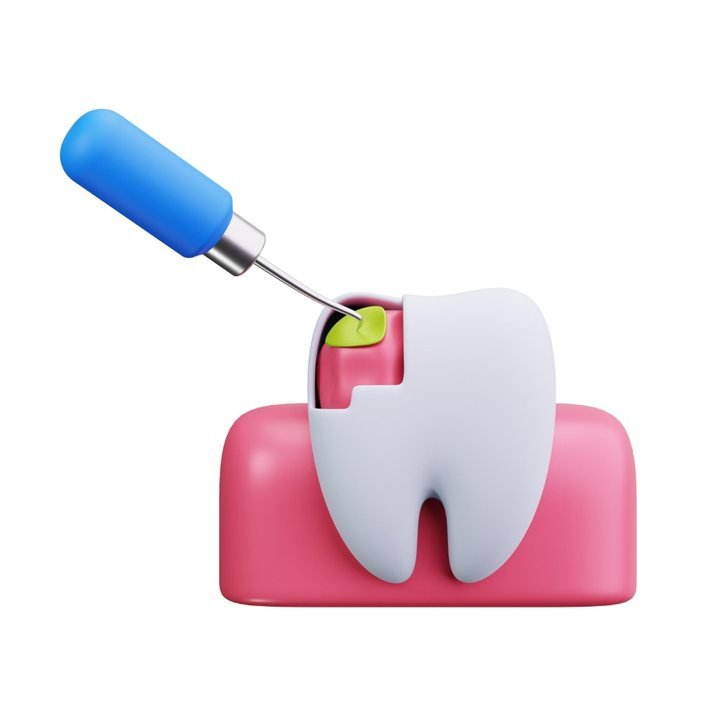
- Chipped Corner (Baby OR Permanent): Check whether only white enamel clipped cleanly, yellowish inner dentin looks exposed, or a tiny pink bleeding pinpoint appears in the fracture center. Collect clean broken tooth fragments in plain milk/water and get examined promptly—tiny chips can often be smoothed or rebuilt cleanly with tooth-colored composite bonding.
- Displaced or Loose Milk Tooth: Never wiggle or forcefully twist a bumped baby tooth back into position yourself; feed soft soothing foods for several days and arrange prompt dental imaging/examination so the dentist assesses underlying adult tooth safety.
- Knocked-Out Complete BABY Tooth (Under Age ~6): Do NOT attempt re-inserting it into the socket! Re-inserting risks crushing or infecting the delicate developing adult tooth bud resting directly above the baby root.
- Knocked-Out Complete PERMANENT Tooth (Ages ~7+): Hold strictly by the top chewing crown (never touch the yellow root!), rinse briefly in milk or saline without scrubbing, and if safe/cooperative keep it submerged in cold fresh milk while rushing straight to urgent dental care—see our knocked-out permanent tooth emergency guide.
First-Week Recovery Care After a Child's Dental Bump
Even once acute clinic checks confirm stability, soft tissues and delicate root ligaments appreciate gentle kindness for 7 to 10 days afterward:
- Stick strictly to cool/room-temperature soft meals (curd rice, dal mash, smoothies, ripe banana) without biting front teeth straight into apples, carrots, or crisp toast.
- Use a brand-new extra-soft toothbrush cautiously around the bumped crown, pairing with gentle warm saltwater swishes or soft moist gauze wiping if gums feel too sore.
- Pause rough backyard tumbling, cycle races, or unguarded contact sports temporarily while ligaments tighten firmly back into bone.
Why Even Unchipped Bumped Baby Teeth Need Follow-Up Watching
Frequently toddlers knock upper front teeth mildly during a sofa fall with zero visible crack—and parents naturally breathe relief once lip swelling drops by morning. Yet subtle internal blood vessel bruising inside the root can slowly show up weeks or even months afterward.
Why a Bumped Tooth Turns Gray, Yellow, or Pink Later
A gray-violet tint resembling a bruise inside enamel occasionally fades mildly back toward ivory if healing settles, or stays gray if nerve circulation reduces quietly. Watch patiently alongside periodic dental checks for secondary red flags: new gum pimples high above the lip, sudden chewing tenderness, or abnormal loosening.
Preventing Repeat Fractures During Cricket, Skating, and Badminton
Active school kids playing contact games, cycling fast, or learning skating benefit tremendously from wearing well-fitted protective sports mouthguards, particularly if permanent upper front teeth sit slightly forward before orthodontic alignment begins.
Long-Term Follow-Up: Watching Developing Permanent Teeth After Toddler Falls
Whenever a child aged two to five experiences a sharp bump onto an upper front milk tooth—whether or not the baby tooth chipped visibly—parents appreciate honest long-term perspective: occasionally minor mechanical bruising against the developing adult incisor forming silently inside upper bone leaves a harmless small white or pale yellow enamel mark visible years later when the permanent tooth arrives.
Periodic gentle follow-up checkups confirm smooth natural root resorption so the permanent tooth erupts neatly alongside healthy neighboring incisors without silent cystic delays.
Urgent & Follow-Up Trauma Assessments in Anantapur
Should your child chip an enamel corner, feel sharp edges catching a tongue, or experience noticeable displacement after a fall in Anantapur, contact MANASVI DENTO CARE near Court Road, opposite Union Bank via our help and appointment desk promptly for evaluation. Where severe jaw fractures, heavy lacerations, or complex pediatric root trauma arise, hospital or specialist pediatric trauma centers are coordinated promptly.
If an entire PERMANENT adult tooth (ages ~7+) falls clean out, keep it moist in cold milk and seek urgent clinic re-implantation fast. NEVER push a knocked-out BABY tooth back into its gum socket—doing so risks damaging the developing adult tooth underneath!
Frequently Asked Questions
Yes! Minor-to-moderate enamel/dentin chips on permanent front incisors can routinely be smoothed cleanly or rebuilt smoothly using shade-matched tooth-colored composite resin.
Not automatically. Many asymptomatic discolored milk teeth remain stable safely until natural shedding unless pain, infection (gum boil), or root complications appear during checkups.
Yes—stick to soft spoon-fed foods sliced cleanly into small pieces until Dr. K. Lakshmi inspects tooth cracks and stabilizes sensitive exposed dentin.
Immediate action within 30 to 60 minutes offers the strongest outlook for periodontal ligament survival—keeping the root continuously wet in cold cow's milk (never dry tissue paper).
Dry storage dehydrates enamel crystal bonds and kills delicate ligament cells rapidly—storing broken pieces in cold fresh milk or clean saline keeps hydration preserved until assessment.
- International Association of Dental Traumatology (IADT) — Guidelines for Traumatic Dental Injuries in Children
- AAPD — Management of Acute Dental Trauma
Compassionate Dentistry Near Court Road, Anantapur
MANASVI DENTO CARE is located at Court Road, opposite Union Bank, Anantapur, Andhra Pradesh, and is led by Dr. K. Lakshmi, BDS (Cosmetic Dental Surgeon, Registration No. A2407). We focus on clear explanations, gentle local comfort protocols, and preventive long-term oral health for individuals and families.