What Dental X-Rays Reveal That Mirrors Cannot See
Even under bright clinic lighting, roughly one-third of every tooth sits tucked between tight neighbours or buried inside jawbone beneath gums. Small cavities starting between two molars can spread softly inward toward the nerve before any dark spot appears on top.
Understanding why clinicians recommend a targeted dental X-ray in Anantapur shows how brief diagnostic images prevent unexpected surgical surprises or delayed infections.
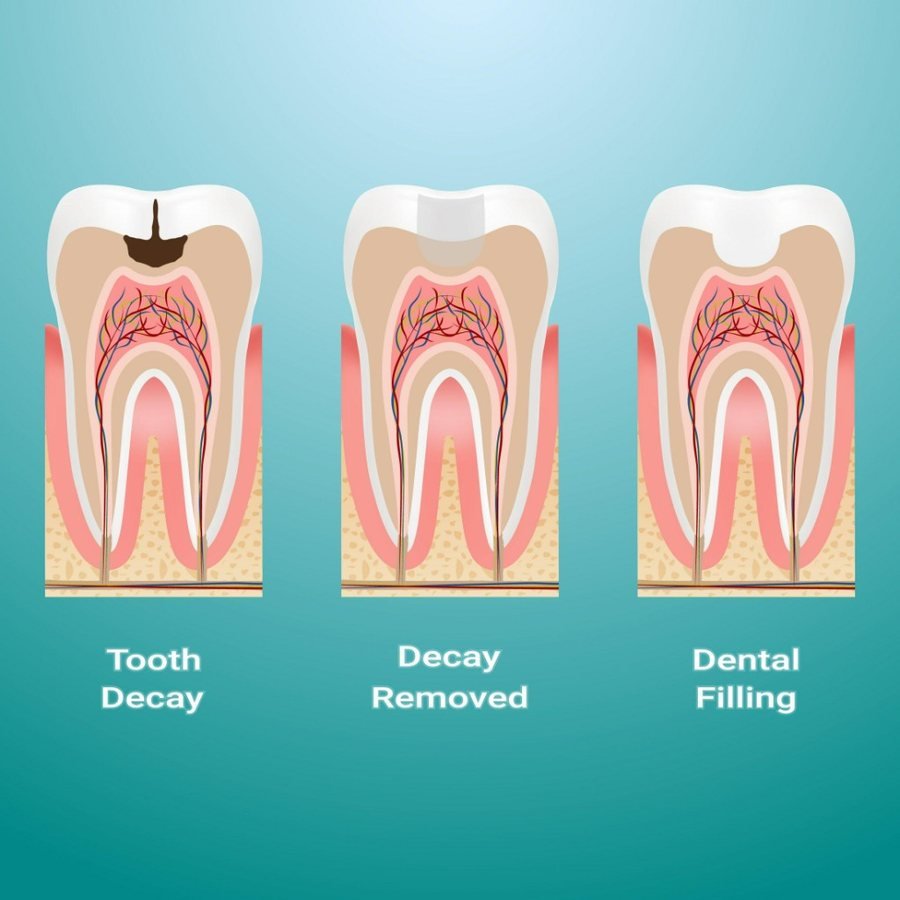
- Early decay hidden cleanly between contacting back teeth or underneath older fillings.
- Root anatomy curvature and root-tip infections or cysts before root canal treatment or extractions.
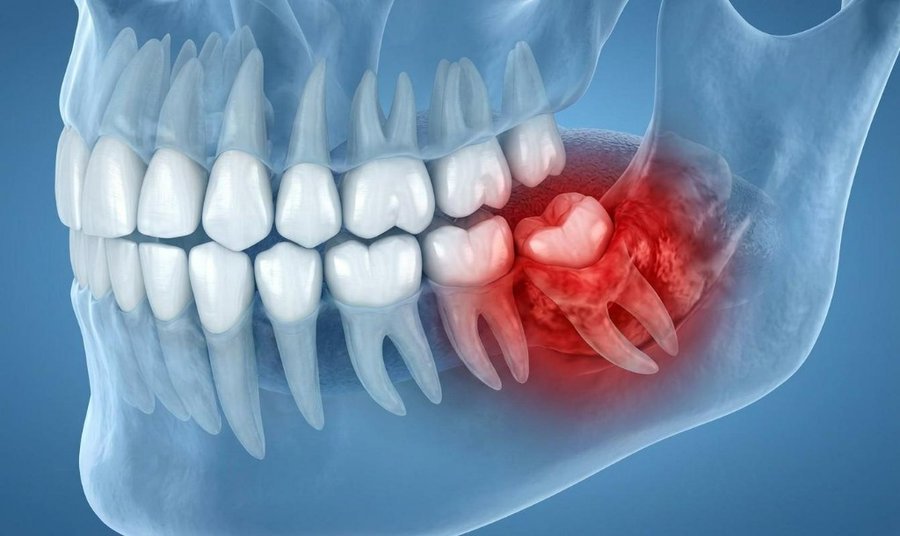
- Impacted wisdom tooth angles relative to nerves and second molar roots.
- Jawbone height changes from gum disease (periodontitis) and implant site bone assessment.
How Safe Are Modern Dental X-Rays?
Concern about radiation is completely understandable, yet dental radiographs deliver among the lowest doses in medical imaging—especially with modern digital sensors rather than older film packets.
According to ADA and radiation safety comparisons, a typical set of small intraoral dental images exposes you to roughly the same tiny amount of background radiation you naturally absorb during an ordinary sunny day outdoors or a short domestic flight. Dentists strictly follow the ALARA principle ('As Low As Reasonably Achievable'), ordering radiographs only when clinical findings justify them rather than on automatic rigid timers.
Special Considerations: Children and Pregnancy
Families naturally ask extra questions regarding growing children and expectant mothers:
Children & Developing Teeth
Pediatric teeth erupt continuously beneath baby roots. When checking decay risk, crowded permanent buds, or missing adult teeth, dentists tailor image intervals individually and use child-sized sensors plus collimated beams.
Pregnancy Precautions
Elective non-urgent X-rays are typically postponed until after delivery when convenient. However, per ADA and ACOG clinical consensus, if an expectant mother faces urgent toothache, swelling, or abscess requiring accurate diagnosis, emergency dental X-rays with appropriate shielding remain safe and vastly preferable to leaving an active infection untreated.
Three Types of Dental Radiographs Explained Simply
Different dental questions call for different angles:
- Periapical X-Ray: Focuses tightly on 1 to 3 teeth from crown tip all the way down past the root tip into supporting jawbone—ideal for localized toothache or root evaluation.
- Bitewing X-Ray: Captures upper and lower crowns biting together to spot hidden decay between teeth and check bone margins.
- Panoramic (OPG) Scan: Captures the entire upper and lower jaws in one wide view outside the mouth—valuable for impacted wisdom teeth, jaw joints, and overall developing dentition.
Discussing Imaging Comfortably at MANASVI DENTO CARE
Always tell your dentist if you might be pregnant, feel claustrophobic, or had recent radiographs taken elsewhere so previous scans can be reviewed first. At MANASVI DENTO CARE near Court Road, Anantapur, Dr. K. Lakshmi explains clearly why any diagnostic step is recommended before proceeding.
A mirror exam inspects only visible tooth surfaces. Radiographs reveal hidden decay between tightly pressed teeth, curved roots, wisdom tooth nerve proximity, and quiet bone infections beneath crowns.
Frequently Asked Questions
Yes, when clinically justified. Digital sensors and targeted small beams deliver extremely low radiation doses while catching hidden cavities between tight molars or monitoring incoming adult teeth.
No. Following ADA guidance, X-ray frequency depends on your current symptoms, cavity history, age, and clinical risk—low-risk adults may go years without needing repeat radiographs.
They are completely painless. Small plastic sensors rest briefly against the inner mouth; letting your clinician know if you have a sensitive gag reflex helps them position gently.
Always inform your dental team about pregnancy or suspected pregnancy so routine non-urgent radiographs can be timed comfortably while urgent infection care remains safe.
- American Dental Association (ADA) / FDA — Dental Radiographic Examinations Guidelines
- NHS Guidance — Dental X-Rays Safety Overview
Compassionate Dentistry Near Court Road, Anantapur
MANASVI DENTO CARE is located at Court Road, opposite Union Bank, Anantapur, Andhra Pradesh, and is led by Dr. K. Lakshmi, BDS (Cosmetic Dental Surgeon, Registration No. A2407). We focus on clear explanations, gentle local comfort protocols, and preventive long-term oral health for individuals and families.